New Year, Lower Bills: Fresh Starts, Smart Energy, and Seasonal Insights

Happy New Year 2026!
As we step into January, the coldest stretch of the season brings some of the highest energy demands of the year — making it the perfect time to revisit how we heat, light, and power our homes and businesses. It’s also an ideal moment to explore smarter energy choices. Tools like URate make energy shopping easier than ever, helping customers compare options, find better rates, and make informed decisions with confidence. Whether you’re a homeowner looking to stay warm efficiently or a business aiming to cut winter costs, January sets the stage for practical steps that boost comfort, savings, and sustainability all season long.
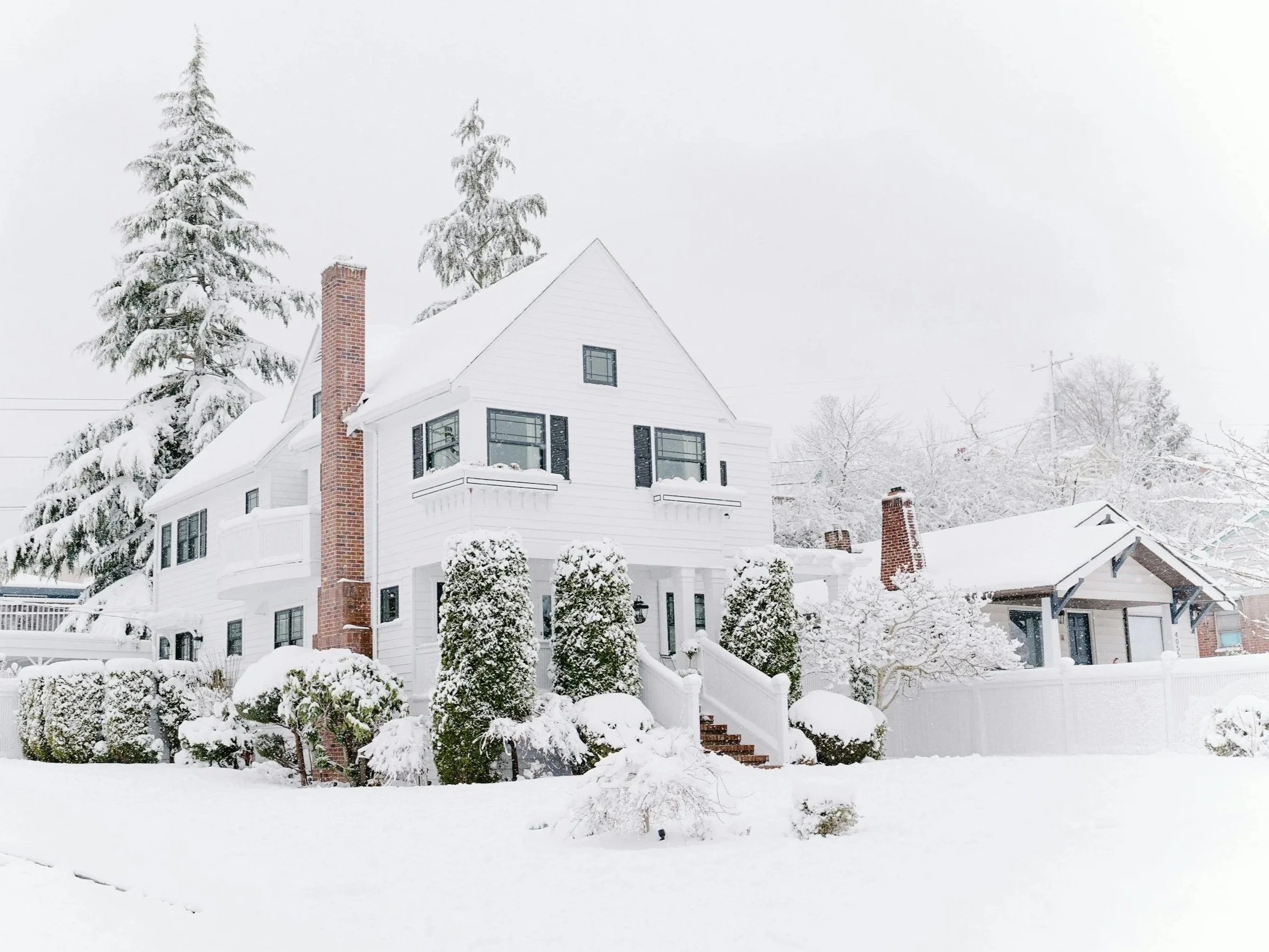
Winter Peak Energy — How January Weather Impacts Your Home or Business
January marks the height of winter energy use, as frigid temperatures, long nights, and constant heating place extra strain on homes and commercial buildings. This seasonal spike often leads to higher energy bills — but it’s also the best moment to make small upgrades that deliver big efficiency gains. With a few winter-specific adjustments, families and businesses can stay warm while reducing wasted energy.
Why January energy use spikes: freezing temps, short days, and nonstop heating.
Combat heat loss with sealing, insulation, and proper indoor humidity.
Mid-winter HVAC checks catch issues before they become costly failures.
Heavy seasonal demand can stress the grid — efficiency helps stabilize it.
Many tax credits and incentives refresh on January 1.
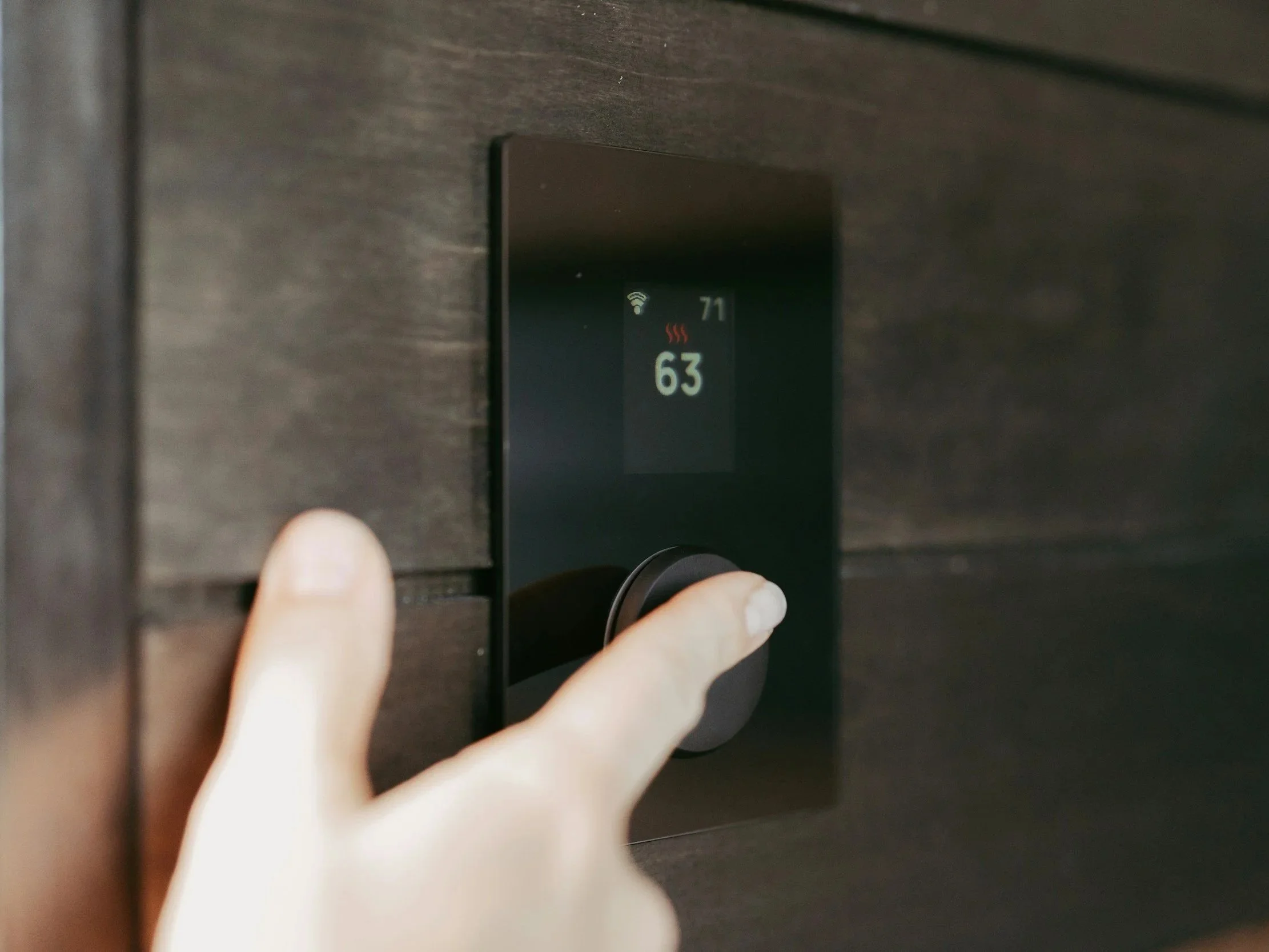
Pro Tip - The January Thermostat Reset for Businesses
When employees return from holiday schedules, many buildings forget to readjust their thermostats — leading to unnecessary heating in unused rooms or during off-hours. A quick January reset ensures your HVAC system is aligned with normal operations again, delivering immediate savings without impacting comfort.
Many offices accidentally heat empty spaces after holiday closures.
One thermostat scheduling update can reduce January bills by 10–15%.
Reprogram occupancy schedules in smart thermostats or BMS systems.
Lower temps in storage rooms, hallways, and other low-traffic areas.
Set winter overnight setbacks to 55–60°F.
Review ventilation runs to avoid over-ventilating during peak heating season.
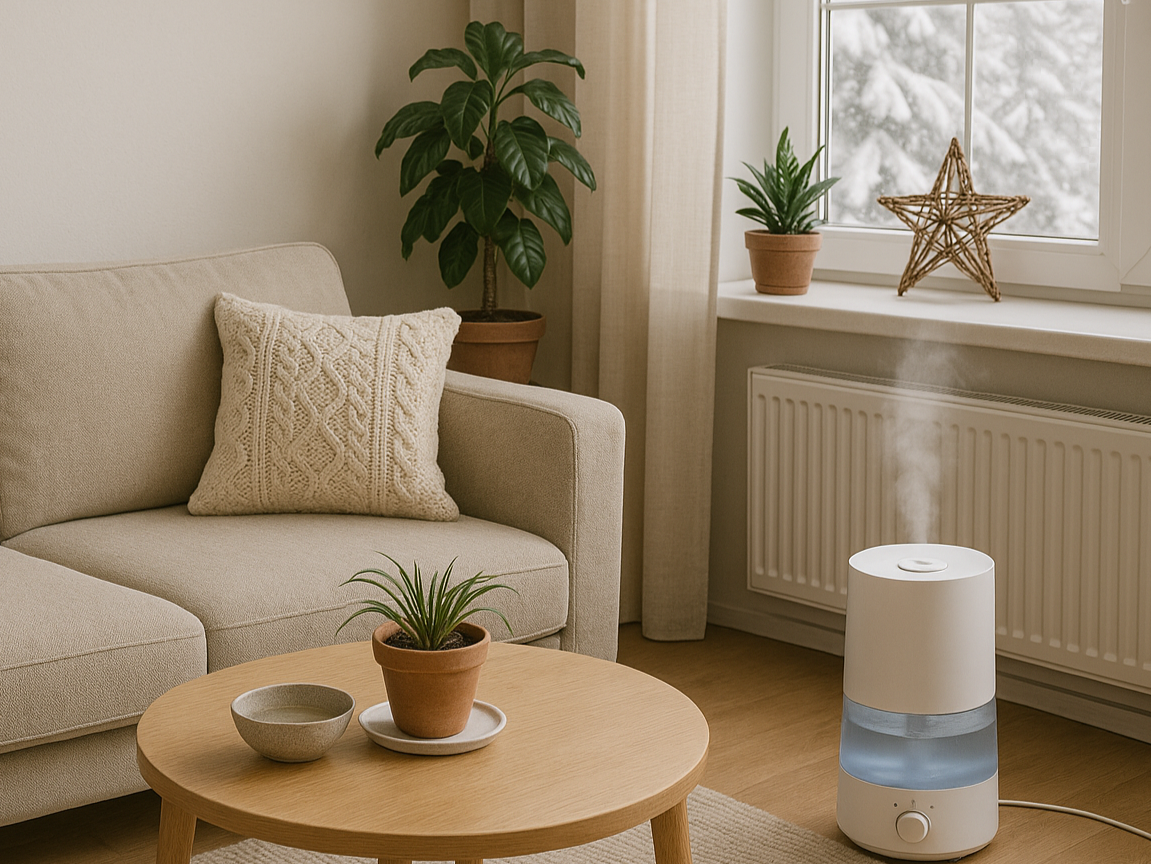
Tip for Homes — The Humidity Trick That Makes Homes Feel Warmer
Dry winter air makes indoor spaces feel colder than they truly are — meaning many households turn up the thermostat when they don’t need to. By raising indoor humidity to a comfortable 30–40%, homes retain warmth more effectively, allowing most families to drop indoor temps 2–3 degrees without losing comfort.
Dry air makes 68°F feel several degrees colder.
Proper humidity helps the air hold heat better.
Use bathroom/kitchen moisture intentionally (but always safely).
Add houseplants for natural humidity boosts.
Place a bowl of water near radiators or vents.
Use a small humidifier in living rooms or bedrooms.

URate — Your January Energy Shopping Advantage
January’s long nights and heavy heating demand make it one of the most expensive months for energy — which is why it’s the perfect time to compare rates. URate simplifies the process with easy-to-read options for both homes and businesses, helping users find competitive pricing during the heart of winter’s peak. With rising seasonal usage, even a small change in rate can make a meaningful difference.
Long nights and freezing temps drive winter bills higher.
URate shows side-by-side rate comparisons in seconds.
Users can lock in competitive rates before late-winter volatility.
Ideal for both residential and commercial accounts.
Helps customers make confident, informed energy choices.

Sustainable Winter Crafts for Long January Nights
Long winter evenings are ideal for simple, eco-friendly crafts that reuse everyday materials and bring a bit of joy into the season. These three easy projects help reduce waste while adding creativity and warmth to your January nights.
Recycled Paper Snowflakes
Steps: Use leftover white or silver wrapping paper, fold it into a square, cut small shapes along the edges, then unfold to reveal shimmering snowflakes.Upcycled Jar Lanterns
Steps: Clean an empty jar, wrap the outside with strips of leftover wrapping paper or ribbon, place a battery tea light inside, and enjoy a soft winter glow.Pinecone Animals
Steps: Gather pinecones from outdoors, use leftover wrapping paper to cut ears, wings, or tails, glue on simple eyes made from paper scraps, and create adorable winter woodland creatures.
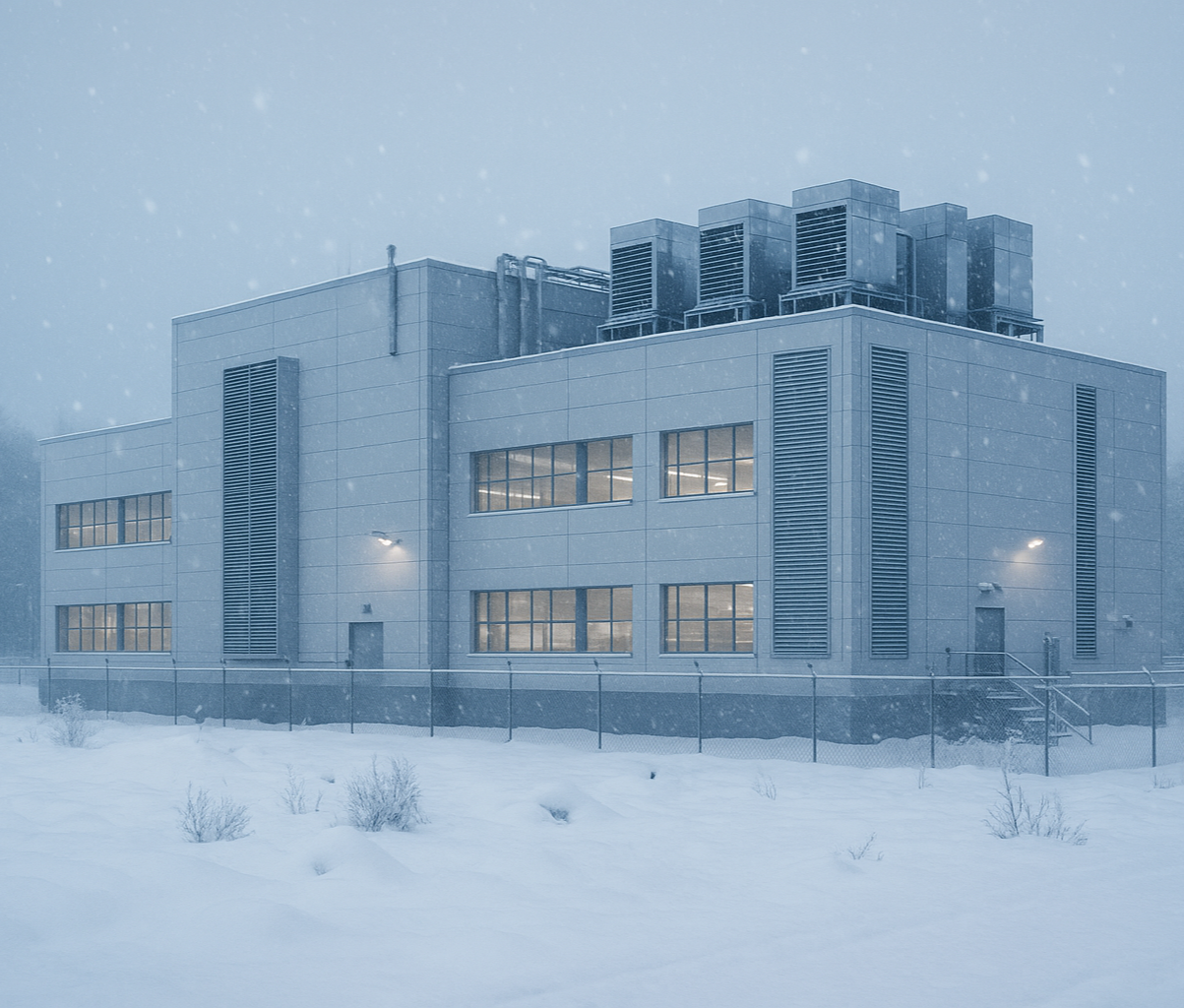
From Recent Energy News: Beyond Electricity - The Water Costs Driving Data Center Sustainability
As data centers grow to meet the rising demand for cloud storage, AI, and digital services, their water consumption has become a major sustainability concern — and a financial one. Most large data centers rely on water-based cooling systems to keep servers from overheating, which can require millions of gallons each day depending on the climate and technology used. This doesn’t just strain local water supplies; it also leads to significant water utility costs, especially in areas where rates are increasing or where drought conditions trigger surcharges. As companies expand their digital infrastructure, understanding and managing water use is becoming just as important as controlling energy consumption.
Additional Insights
Water use varies widely: in arid climates, cooling demands can make water bills one of a facility’s largest operating expenses after electricity.
Some municipalities apply tiered water pricing, meaning heavy water users — including data centers — pay higher rates per gallon as consumption rises.
Shifting to closed-loop or air-cooled systems can reduce both environmental impact and ongoing water utility costs.
Locating new facilities near sources of reclaimed or non-potable water can dramatically cut expenses and ease pressure on community water systems.
Companies are increasingly tracking water usage effectiveness (WUE) alongside PUE to monitor financial and environmental impacts.
January sets the tone for a smart, efficient year ahead — from managing heating costs to adopting better energy habits at home and at work. With practical upgrades, simple hacks, and tools like URate to guide smarter energy shopping, anyone can enter 2026 with more comfort, lower bills, and a stronger commitment to sustainability. Here’s to a warmer, greener, and more efficient new year!