
Duquesne Light Utility Resources
Duquesne Light Bill Breakdown
You Have The Power To
Choose Your Energy Supplier
- ✓You can choose your own Energy Service Company (ESCO)
- ✓Duquesne Light delivers your electricity
- ✓Compare top ESCOs side-by-side with updated rates
About Duquesne Light
- ✓ Duquesne Light Company (DLC) is a regulated electric distribution utility serving the Pittsburgh region in southwestern Pennsylvania.
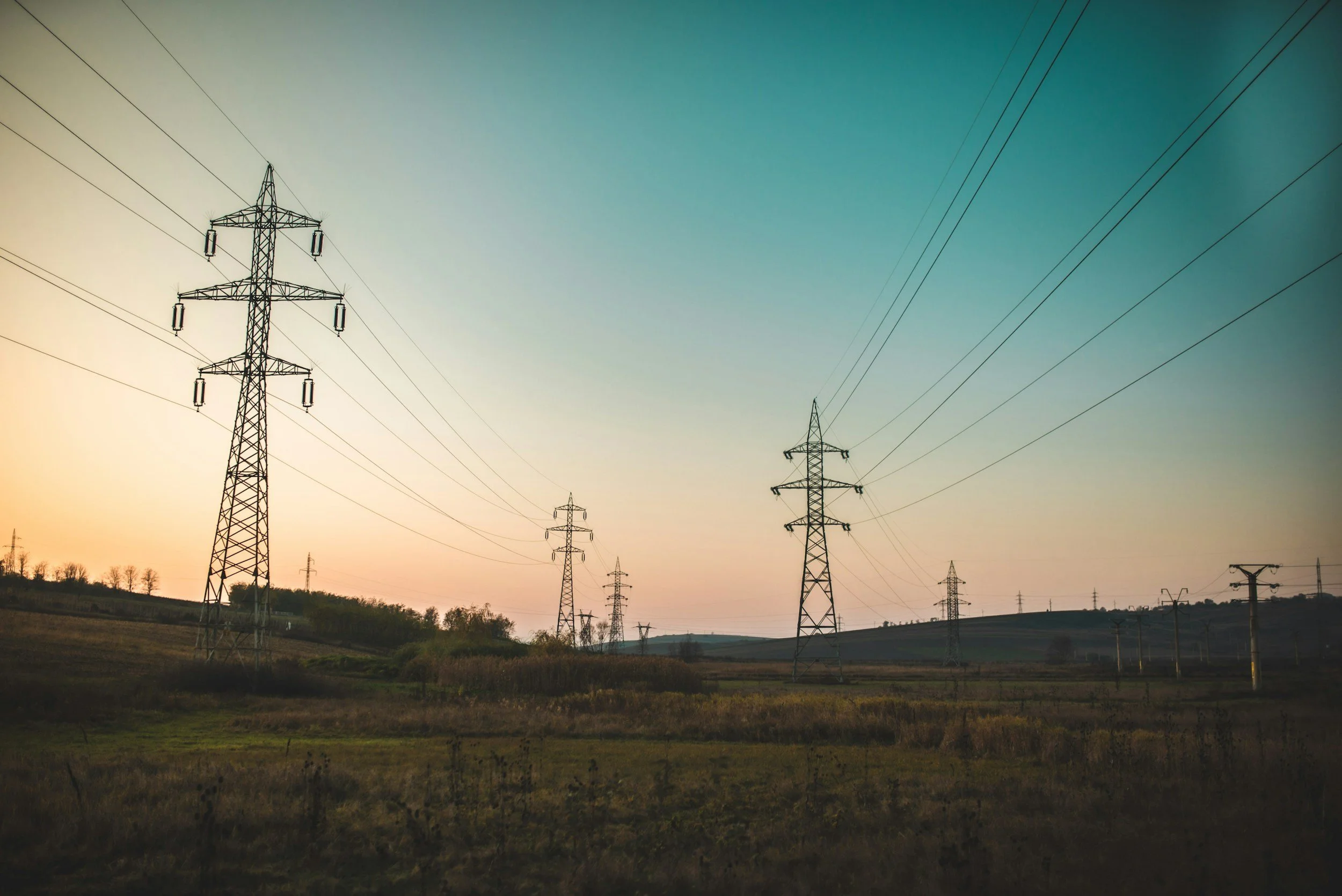
- ✓ DLC delivers electricity and maintains local infrastructure (power lines, poles, and substations) for homes and businesses.
- ✓ For emergencies like downed power lines, call DLC’s 24/7 emergency number: 412-393-7000.

Read full context
Duquesne Light Company (DLC) is an electric utility serving the Pittsburgh region and southwestern Pennsylvania, including Allegheny and Beaver counties. Duquesne Light Company is an investor-owned utility, a subsidiary of Duquesne Light Holdings, Inc., and was founded by inventor George Westinghouse. DLC manages over 7,700 miles of power lines, 430 substations, and more than 216,000 poles for electricity delivery, serving an area of approximately 812 square miles with about 1,385 employees. Approximately 90% of DLC's customer base is residential. DLC offers services including electric distribution, street lighting, and energy efficiency solutions. DLC supports clean energy initiatives, including EV charging rebates up to $3,000 for qualifying vehicles, a program launched in 2018 to promote electric vehicle adoption. Duquesne Light is committed to playing a leading role in the region's clean energy transition and aims to create a clean energy future for all by delivering exceptional results today and harnessing opportunities for tomorrow.
he CEO of Duquesne Light Company provides strategic leadership to advance these initiatives and ensure reliable service for the Pittsburgh region and southwestern Pennsylvania. Duquesne Light Company (DLC) is an electric distribution utility serving the Pittsburgh region in southwestern Pennsylvania. DLC delivers electricity to homes and businesses through its local network and is responsible for maintaining key equipment such as power lines, poles, transformers, and substations. DLC does not sell electricity supply plans—customers can choose a supplier where available, while DLC continues to provide electric delivery, respond to outages, and support public safety.
If you see downed power lines or other hazardous electrical conditions, keep your distance and report it immediately using DLC’s emergency line. Duquesne Light crews work year-round to inspect, repair, and modernize electric systems—especially ahead of severe weather and periods of high demand like winter heating and summer cooling season—so customers can stay informed, connected, and protected.
Duquesne Light's Programs, Resources & Community Incentives
Duquesne Light Company (DLC) supports customers with tools for electric service, account management, outage reporting, and safety resources—plus energy-saving programs that can help households and businesses manage demand.
Read full context
ELECTRIC SERVICE, ACCOUNTS & BILLING
Duquesne Light provides essential electric service tools that help customers manage their account information, pay a bill, and track usage online. Customers can:
- Create or access an online account
- View electric usage trends (including seasonal winter and summer demand)
- Pay bills, set up budget billing plans, and manage money
- Pay bills, set up budget or payment options (when available), and manage alerts
- Enroll in outage and restoration notifications
Duquesne Light customer service representatives are available by phone and online to assist with account questions, service changes, and scam awareness. Customers should always assume communications about payments or enrollment come from official Duquesne Light channels.
SAFETY, WIDESPREAD POWER OUTAGES & STORM RESPONSE
Safety is a top priority for Duquesne Light—especially during severe weather, winter storms, and high-wind events. In anticipation of storms, Duquesne Light Company has extra crews on standby to respond to power outages efficiently and safely. Current forecasts indicate that dry and powdery snow is less likely to cause stress on trees and electrical equipment, so widespread power outages are not expected, but customers should remain prepared in anticipation of changing conditions.
To be prepared, customers are advised to:
- Use generators outdoors and keep them far from buildings for safety.
- Check on elderly or vulnerable neighbors and loved ones during severe weather events, and remember to be prepared for medical emergencies.
If customers encounter downed power lines, they should:
- Treat the line as energized
- Stay away and protect children, family members, and pets
- Report the issue immediately using Duquesne Light’s outage reporting tools or phone number
During a power outage, customers can report outages, track restoration status, and receive updates online. Crews work to restore power as quickly and safely as conditions allow.
ELECTRIC SYSTEM MODERNIZATION & SMART ENERGY
Duquesne Light continues investing in electric system upgrades to improve reliability and meet increased demand. Efforts can include:
- Upgrading power lines, substations, and other electric infrastructure
- Using smart grid tools to detect outages and system issues faster
- Improving restoration performance during storms and seasonal peaks
These investments help support electrification trends—like electric heating, cooling, EVs, and other high-use technologies—while keeping service reliable.
Energy Services, Safety & System Modernization
- ✓Smart grid upgrades
- ✓Storm response & restoration
- ✓Energy Efficency Programs
- ✓Customer support (account, outages, billing)
Energy Efficiency & Customer Programs
Read full context
ENERGY EFFICIENCY & CUSTOMER PROGRAMS
Duquesne Light supports smart energy choices that help customers reduce demand, save money, and stay informed. Programs typically focus on:
- Energy efficiency upgrades for homes and commercial buildings
- Seasonal guidance for winter heating and summer AC use
- Tools to help households manage energy demand and budgets
Customers can learn about available plans, rebates, and efficiency details on Duquesne Light’s official website.
COMMUNITY & LEGACY
As a long-standing energy company rooted in Philadelphia, Duquesne Light remains active in the communities it serves. Through outreach, education, and partnerships, Duquesne Light supports families, children, and neighborhoods—helping customers stay safe, informed, and energized.
From its early history as the Philadelphia Electric Company to today’s modern electric utility, Duquesne Light’s legacy reflects a commitment to reliable service, customer protection, and powering daily life across the region.
Duquesne Light Frequently Asked Questions (FAQ)
Is Pennsylvania a deregulated energy market?
What happens if I don’t choose a third-party supplier?
What is Duquesne Light’s Price-to-Compare?
Why have some customers reported billing issues recently?
View More Questions
Has Duquesne Light faced criticism from customers?
How much are Duquesne Light residential rates increasing?
What assistance programs does Duquesne Light offer for customers struggling to pay bills?
- Customer Assistance Program (CAP) for low-income customers
- Low Income Home Energy Assistance Program (LIHEAP) for heating costs
- Matching Energy Assistance Fund (MEAF) for additional bill support
- Low Income Usage Reduction Program (LIURP) to help reduce energy usage
How many customers does Duquesne Light serve?
- 1.6 million electric customers
- Over 511,000 natural gas customers
Where does Duquesne Light operate?
- Electric service includes all of Philadelphia and parts of surrounding counties
- Natural gas service covers all of Delaware County and most of Bucks, Chester, and Montgomery counties
What should I do during a power outage?
- Check outside to see if your entire block is dark to confirm it’s a utility outage
- Report outages online at Duquesne Light.com/outages or by calling 1-800-841-4141
- Track outage status and restoration updates through Duquesne Light’s outage tools
What should I do if I see downed power lines or smell natural gas?
Does Duquesne Light offer energy efficiency programs?
- Rebates for energy-efficient appliances
- HVAC tune-ups
- ENERGY STAR® water heaters and appliances
- LED lighting discounts
- Home Energy Assessments to identify wasted energy and improve comfort
Why does energy use peak in summer and winter?
- In summer due to air-conditioning demand
- In winter due to electric heating loads
Does Duquesne Light invest in renewable energy?
Does Duquesne Light own natural gas facilities?
- A propane-air plant in Chester, PA with a storage capacity of 1,980,000 gallons
- A liquefied natural gas (LNG) storage facility in West Conshohocken, PA with a capacity of approximately 1.2 billion cubic feet
What infrastructure investments has Duquesne Light made?
- Over $7.8 billion invested over five years to enhance storm resilience and service quality
- Historical capital expenditures of approximately $400 million annually, with most funding directed toward electric operations
What are Duquesne Light’s electric system specifications?
- 2,400 / 4,160 volts (wye)
- 7,620 / 13,200 volts (wye)
When was Duquesne Light founded?
Does Duquesne Light generate electricity?
Should I consider backup power for my home?
- Portable generators for short outages
- Automatic standby generators for whole-home coverage
- Battery backup systems