Midwinter Momentum: Energy Awareness for Gatherings and Winter Comfort

February often feels like a turning point, but winter’s grip can still linger longer than expected. Cold temperatures, winter storms, and long evenings continue to drive energy use for homes and businesses alike, even as daylight slowly increases. This time of year is a reminder that efficiency still matters and that small, intentional choices can make a meaningful difference in comfort, costs, and sustainability. Tools like URate make those choices easier by helping customers compare energy options with clarity and confidence. Whether the groundhog sees his shadow or not, staying focused on smarter energy habits helps protect comfort, costs, and sustainability through the rest of the season.

February Energy Reality Check: Winter Isn’t Over Yet
February can feel like the turning point toward spring, but when it comes to energy use, winter is far from finished. While daylight slowly increases, February often delivers some of the coldest and most consistent low temperatures of the season, keeping heating systems working hard. Energy demand remains high during this stretch, making efficiency just as important now as it was in January. Taking a closer look at energy habits in February can help prevent unnecessary costs and keep homes and businesses comfortable through winter’s final weeks.
Heating demand in February can rival — or even exceed — January due to prolonged cold spells.
Long nights, winter storms, and sudden cold snaps continue to drive energy use.
Fine-tuning energy habits now helps avoid higher bills while preparing for a smoother transition into spring.

Business Tip/Hack:
Cut Weekend Energy Waste During Super Bowl Season
Major events like the Super Bowl can create irregular schedules for businesses, especially offices, retail spaces, and restaurants. While operating hours may change, energy systems often keep running as if it’s a normal weekend — quietly driving up costs. Taking a few minutes to adjust schedules around these one-off events can prevent wasted heating, lighting, and ventilation, helping businesses stay efficient even when routines change.
Adjust HVAC and lighting schedules for Sunday closures or reduced hours.
Avoid heating or lighting empty offices, dining areas, or storage spaces during off-hours.
Review and reset building automation schedules after special events to prevent unnecessary run-time.
Residential Tip/Hack:
Comfort Without the Cost -Smarter Heating for February Nights
Comfort Without the Cost: Smarter Heating for February Nights
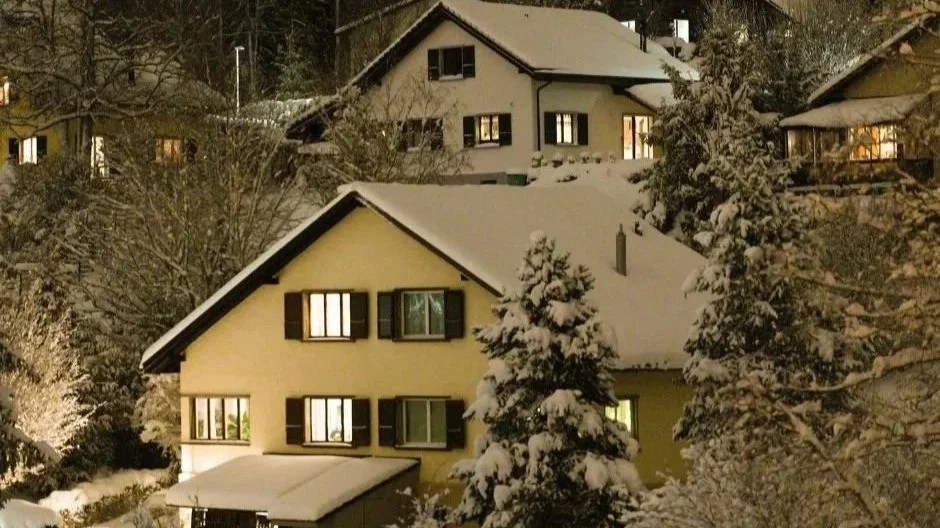
February evenings are still long and cold, but staying comfortable doesn’t mean cranking up the thermostat. Small, intentional adjustments can make homes feel warmer while keeping energy use in check. Whether it’s a quiet movie night or hosting friends for a game-day gathering, focusing on comfort strategies beyond heating helps reduce costs without sacrificing coziness.
Layer warmth with blankets, area rugs, and heavier curtains to retain heat.
Increase indoor humidity to make spaces feel warmer at lower temperatures.
Adjust heating settings when hosting gatherings to avoid overheating shared spaces.

URate - Energy Choices That Show Some Love 💙
February is a time for intentional choices, and energy decisions are no exception. Whether for a home or a business, choosing the right energy plan can have a lasting impact on comfort, costs, and sustainability. URate makes energy shopping simple and transparent, helping customers compare options with confidence and avoid unexpected surprises. It’s a practical way to take care of what matters most — from monthly budgets to long-term energy goals.
URate simplifies energy shopping by making plans easy to compare and understand.
Clear options help customers avoid surprises and choose plans that fit their needs and values.
Choosing smarter energy is a meaningful way to care for your home, your business, and the planet this February.
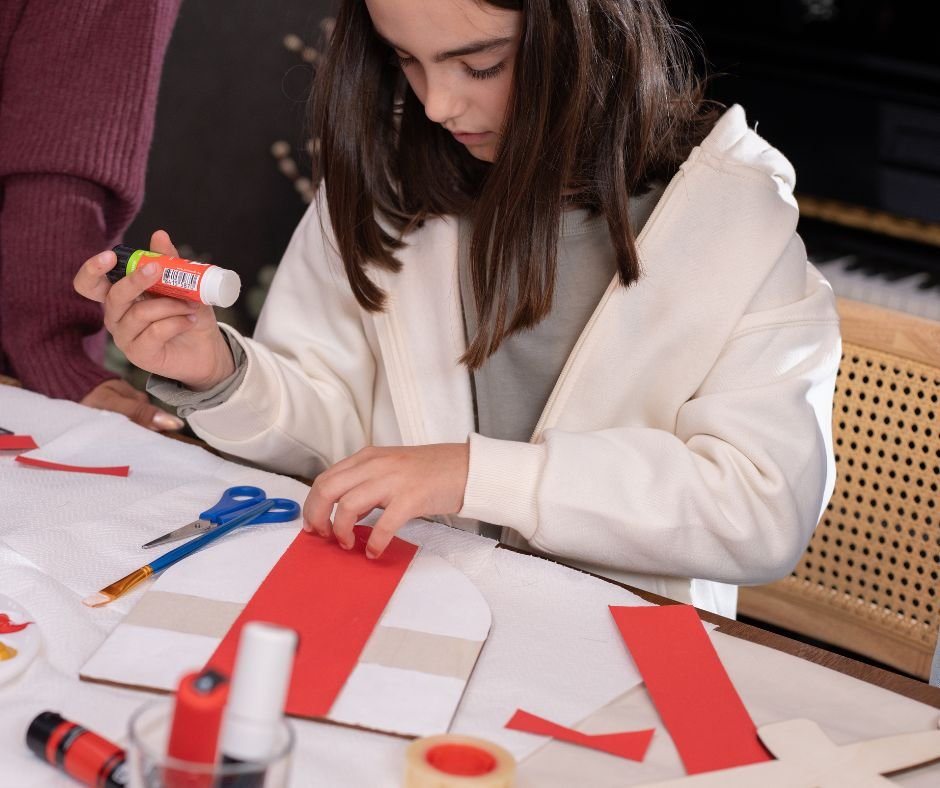
Eco-Friendly Valentine’s Day Crafts
Valentine’s Day is a great opportunity to celebrate creativity while reinforcing sustainability at home. Simple, low-waste crafts encourage kids to reuse materials, reduce energy use, and think thoughtfully about how everyday items can get a second life. These easy Valentine’s projects use basic household supplies, avoid electronics or excess waste, and focus on making something meaningful rather than buying something new.
1. Recycled Paper Heart Cards
Use scrap paper, old magazines, or cardboard packaging.
Cut out heart shapes and decorate with crayons, markers, or pressed leaves.
Write messages inside instead of using store-bought cards.
2. Nature-Inspired Valentine Collage
Collect leaves, twigs, or dried flowers from outdoors.
Glue them onto reused paper to form hearts or designs.
Let everything dry naturally — no energy or electronics needed.
3. Jar-Wrap Valentine Lanterns
Reuse glass jars and wrap them with red or pink paper scraps.
Punch small heart shapes into the paper for light to shine through.
Use LED tea lights instead of candles for safe, energy-efficient glow.
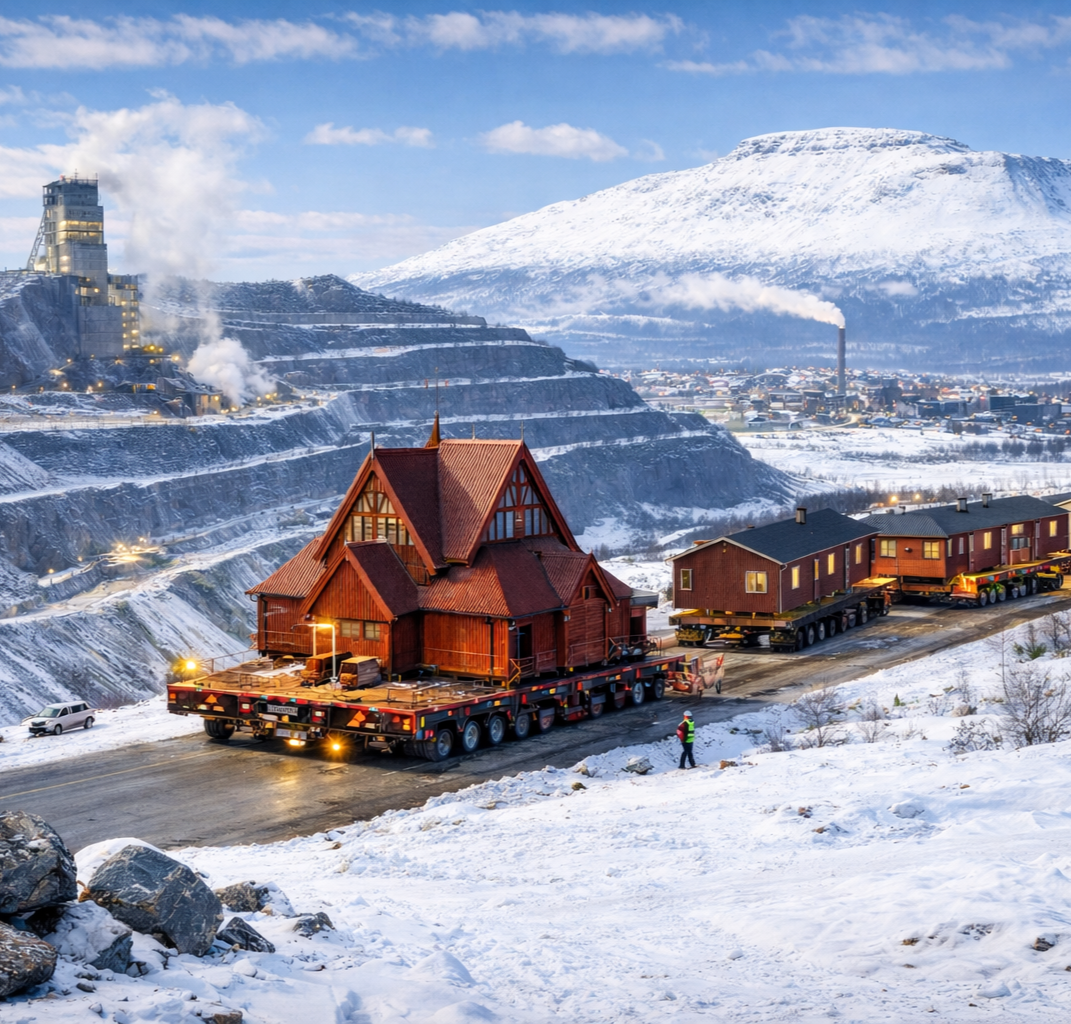
From Recent Energy News: When Energy Demand Moves a City - Sweden’s Kiruna and Europe’s Minerals Push
Europe’s transition to cleaner energy is reshaping more than supply chains — it’s reshaping entire communities. In northern Sweden, the city of Kiruna is being relocated building by building as expansion of the world’s largest underground iron ore mine causes ground subsidence beneath the town. The move, driven by growing demand for iron ore and rare earth minerals essential to electric vehicles and clean technologies, highlights the real-world tradeoffs of the energy transition. While these materials are critical for decarbonization, their extraction raises complex questions about community displacement, infrastructure planning, environmental protection, and long-term energy resilience — especially in extreme climates.
Why this matters for energy and sustainability:
Kiruna’s mine supplies 80% of the European Union’s iron ore, making it a cornerstone of Europe’s clean-energy supply chain.
The discovery of one of Europe’s largest rare earth deposits strengthens energy independence but increases pressure on local communities.
Relocating thousands of residents underscores how energy infrastructure decisions can directly impact housing, culture, and livelihoods.
Cold-climate urban design becomes critical, as the new city location may experience colder winter temperatures, affecting energy use and comfort.
The project highlights the need to balance clean energy goals with social equity, land use planning, and long-term sustainability.
As winter enters its final stretch, February offers a valuable opportunity to reflect, refine, and prepare for the seasons ahead. By staying mindful of energy use, making informed choices, and embracing small sustainable habits, homes and businesses can finish winter strong while setting the stage for a more efficient spring. Thoughtful energy decisions today don’t just lower bills — they help create a more comfortable, resilient, and sustainable future all year long.