
Price per kWh: How Much Does Electricity Really Cost in 2026?
Every month, millions of Americans open their electricity bill and wonder whether they're paying a fair rate. The answer almost always comes down to one number: the price per kWh. Here's what that number actually means in 2026, why it varies so wildly across the country, and what you can do to pay less.
Key Takeaways
U.S. residential electricity prices average about 17–18 cents per kWh as of June 2026, though values swing from roughly 11.64¢ in North Dakota to 43.00¢ in Hawaii.
The price per kWh is the core energy charge that determines most of your electricity bill, but fees, taxes, and a surcharge for delivery also factor in.
Residential customers in deregulated markets-like much of Texas, parts of New York, New Jersey, Pennsylvania, and Connecticut-can often save 15–30% by switching providers.
Fixed rate plans stabilize electricity costs over a contract term, typically lasting from 6 months to 3 years, and protect against rising electricity prices.
ABC Energy helps both households and businesses compare live electric and natural gas offers to lock in better per kwh prices.
What "Price per kWh" Means on Your Electric Bill
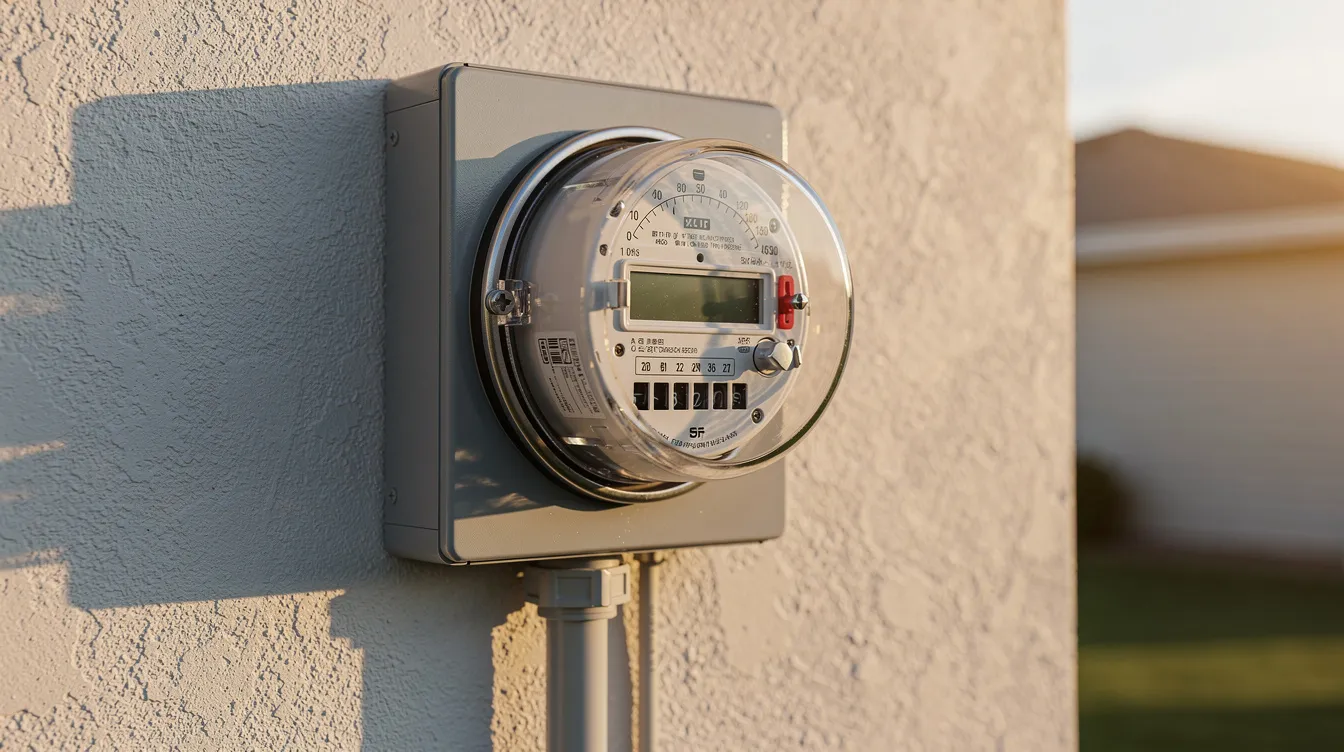
A kilowatt hour is a measure of energy use. Run a 1,000-watt space heater for one hour and you've consumed one kwh. Your utility multiplies every kwh you use by a rate-usually shown in cents on the bill-and that's the price per kilowatt hour you're paying.
There's an important distinction between a supply rate (the cost to generate electricity) and a bundled rate that covers energy plus delivery and transmission. In deregulated states, customers can shop only the supply portion. The Electricity Facts Label (EFL) on many plans breaks down the price per kWh, fees, and renewable energy percentages so you can compare apples to apples.
Electricity pricing includes generation, transmission, and distribution costs. Utility costs also include delivery and maintenance fees split into fixed and variable charges. Here's how the sum works in practice:
900 kWh × $0.18/kWh = $162 in usage charges, before fixed costs, taxes, and any surcharge.
Residential bills are primarily driven by total kWh consumed in a month, which is why understanding this single rate matters so much. For a deeper look at how charges appear line by line, see our guide on understanding your Con Edison bill.
Current Average Electricity Prices per kWh (2026 Snapshot)
The figures below draw on data from the U.S. Energy Information Administration releases through mid-2026 and ABC Energy marketplace observations.
Customer Type - Approximate June 2026 Average
Residential - ~17.65¢/kWh
Commercial - ~14.37¢/kWh
Industrial - ~11–12¢/kWh
The average national residential electricity rate is approximately 18.83 cents per kWh when all-in delivery charges are included, though the supply-only national average sits closer to 17.65¢. The price per kilowatt-hour varies significantly by user type, region, and state.
At the extremes, Hawaii has the highest electricity rate at 43.00¢/kWh while North Dakota has the lowest electricity rate at 11.64¢/kWh. Electricity rates rose 7.4% year-over-year as of February 2026, and Maine saw the largest increase in rates at +22.6%. Commercial rates average 14.37¢/kWh nationwide. Globally, U.S. electricity prices sit close to the world average price for households, with much of Europe generally higher and several subsidized countries in Africa and the Middle East lower. For current rates in your area, check our live rate page.
Why Electricity Prices per kWh Vary So Much
Electricity costs depend on several factors: local fuel mix, grid investments, regulation, and taxes.
Fuel sources. Regions relying on natural gas or imported petroleum-like New England and Hawaii-tend to have higher electric rates, especially after fuel price spikes. Areas with abundant hydro, wind, or local coal (parts of the Midwest and Pacific Northwest) often have generally lower average prices. Local access to power sources affects electricity rates in different regions.
Policy and taxes. Many European countries add environmental charges and higher taxes, pushing residential prices per kWh well above U.S. levels. Some countries like Ethiopia keep prices under USD 0.10 per kWh through heavy subsidies.
Infrastructure and geography. Remote islands and sparsely populated regions pay more for transmission, logistics, and backup generation. Aging grids and wildfire- or storm-hardening investments-think California and coastal states-also raise per kwh rates. Demand and usage patterns increase the cost of power generation during peak hours, adding further upward pressure.
Market structure. Deregulated markets allow consumers to choose their electricity supplier and receive competitive offers. Currently, 14 states plus D.C. have deregulated electricity markets. Regulated monopolies set tariffs through public commissions, which can smooth prices but may react slower to market changes.
Residential vs. Business Electricity Costs per kWh
Households and businesses see different prices because of usage patterns and policy goals. Residential customers generally pay higher electricity rates than industrial consumers. Retail electricity prices are generally lower for industrial customers due to distribution efficiency and volume discounts. Policymakers also keep commercial and industrial rates competitive to attract and retain employers.
Using national averages for 2026: residential ~17.65¢/kWh, commercial ~14.37¢/kWh, industrial ~11–12¢/kWh. For households, very low usage can mean a higher effective price per kwh due to fixed monthly charges. For large firms, per kwh rates often decline as annual usage rises above 1,000,000 kWh per year. Some residential customers can opt for special rate structures like Time of Use plans that change the per kwh price by time of day. For business-specific data, see commercial electricity rates in New York.
How to Calculate Your Own Electricity Cost per kWh
Understanding your personal price per kwh is the first step to managing electricity costs. Grab a recent bill and follow these calculations:
Find total kWh used in the billing period.
Find the total bill amount including taxes and fees.
Divide total cost by total kWh to get your all-in price. Example: $148 ÷ 800 kWh = $0.185/kWh.
That all-in number covers both supply and delivery. In deregulated markets, only the energy supply portion is what a competitive supplier-like those on ABC Energy's marketplace-can change. Delivery or distribution charges stay with your local utility.
A second example focused on supply only: 800 kWh × $0.11/kWh supply rate = $88. If your current default supply rate is $0.14/kWh, switching saves $24 on that single bill. ABC Energy offers online tools and real-time rate comparison, including a power bill calculator, to estimate annual savings from switching to a lower fixed-rate electricity or natural gas plan.
Time-of-Use and Other Rate Types That Change Price per kWh
The price per kwh is not always a single flat number. It can change by time, season, or usage tier.
Time of Use (TOU) pricing sets different per kwh prices for peak vs. off peak hours. For example, a typical 2026 TOU plan might charge 28¢/kWh from 4–9 p.m. and 13¢/kWh overnight. Shifting laundry, EV charging, air conditioning pre-cooling, and dishwashing to off-peak times can noticeably lower monthly electricity costs. Time-of-Use rates offer lower prices during off peak hours, rewarding customers who adjust their energy use pattern.
Tiered or block rates charge one price per kwh up to a baseline amount, then a higher price above that threshold. This structure encourages energy efficiency and can penalize very high usage during heating or cooling seasons.
Demand charges affect larger commercial customers. Some businesses pay not only per kwh but also a monthly fee calculated from their highest 15-minute or 1-hour demand window. Demand management and efficiency projects can significantly reduce these dollars.
Variable-rate plans fluctuate based on market conditions and can change during high demand, so consumers should review their rate schedule regularly. Check your current rate on your bill or utility website and consider whether a different option would better match your usage.
Global and U.S. Trends in Electricity Prices per kWh (2025–2026)
Electricity prices have generally risen since early 2025 across most of the country and much of the world.
Global observations. The world average electricity price increased by 0.44% in Q1 2026, while household electricity rates increased by 9.80% since Q1 2025. Norway experienced the largest electricity price increase due to cold weather and constrained hydro supply. Business electricity prices rose slightly less but still significantly in many markets.
European trends. Household prices in Europe showed minor quarter-to-quarter drops in late 2025 but remain elevated year-over-year by Q1 2026. High taxes, grid costs, and renewable integration continue to push up the average price per kwh across EU member states.
U.S. trends. Residential electricity prices increased about 7–8% year-over-year as of June 2026, with New England states seeing some of the largest increase in rates. Fuel volatility, grid modernization, and climate-related investments are the main drivers. Long-term expectations from the Energy Information Administration point to continued upward pressure on per kwh prices through 2027, making smart rate choices more valuable than ever.
How ABC Energy Helps You Lower Your Price per kWh
ABC Energy is an independent marketplace and energy consultancy for both residential customers and businesses in deregulated markets across York state, New Jersey, Pennsylvania, Connecticut, and beyond.
Core service: Live comparison of electricity and natural gas supply rates from vetted ESCOs and providers. Fixed rate plans protect against rising electricity prices. Green and renewable energy options are available for customers who want cleaner power without surprise bills. Deregulated states allow consumers to choose their electricity supplier-Texas alone has over 100 retail electricity providers, and Ohio and Illinois have deregulated electricity markets for consumer choice.
Savings potential: Consumers can save 15–30% by switching providers in states where competition exists. Delivery charges from the utility remain unchanged, ensuring the same reliable electric service and outage response. Check utility rates by ZIP code or explore Texas power electric rates to see what's available.
Specialized tools: ABC Energy offers customized pricing solutions for businesses (URate, EZ Rate) that account for usage patterns, time of use, and risk tolerance, plus guaranteed savings programs and energy efficiency consulting.
Ready to save money? Check your latest bill, find your price per kwh, and visit ABC Energy's platform to compare current offers in your ZIP code.
Practical Ways to Cut Your Electricity Costs per kWh and Overall Spend
Customers can lower their bill by both paying less per kwh and using fewer kwh.
Lower your per kwh rate:
In deregulated markets, shop for lower fixed electric rates through platforms like ABC Energy.
Lock in favorable fixed rates when market prices dip rather than riding variable utility tariffs.
Lower total energy use:
Energy efficiency programs can save customers 15–30% on bills. Many utilities offer free energy-saving programs to reduce costs.
Prioritize high-impact upgrades: LED light bulbs, smart thermostats, and high-efficiency HVAC systems for heating and cooling.
Energy efficiency upgrades can lower electricity consumption significantly. Investments in efficiency reduce operating costs and emissions.
Behavioral changes:
Shift flexible loads (dishwashers, EV charging, dryers) to off peak hours under TOU plans.
Turn off standby electronics and moderate thermostat settings.
For small and medium-sized businesses:
Free energy audits help identify potential savings for customers-request one through an ABC Energy partner or your local utility department.
Lighting retrofits, motor upgrades, and process scheduling can lower both demand charges and per kwh costs. Explore our energy saving tips for more ideas.

FAQ: Understanding and Managing Your Price per kWh
Is it better to choose a fixed or variable price per kWh?
Fixed rates lock in a price per kwh for a contract term-often 12 to 36 months-providing bill stability. Variable rates can move monthly with wholesale markets, offering potential savings when prices drop but exposing you to spikes. Most residential customers who value predictable electricity costs prefer fixed rates, especially during periods of fuel price uncertainty. ABC Energy consultants can help compare fixed vs. variable options based on your budget and risk tolerance.
How much can I realistically save by switching electricity suppliers?
Savings depend on local utility default rates, current market prices, contract length, and your annual kwh usage. In many deregulated U.S. markets, residential customers might save 5–20% on the supply portion of the bill, while some high-usage homes and small businesses may reach 25–30% in favorable conditions. For example, a home using 10,000 kWh per year saving 2–3¢/kWh could save $200–$300 annually. Use ABC Energy's comparison tools to see actual live offers rather than relying on general averages.
Does switching suppliers affect the reliability of my electricity service?
In deregulated markets, the local utility still owns and operates the poles, wires, and meters, so reliability and outage response do not change when you switch suppliers. Only the supply portion of the bill-the price per kwh for energy itself-changes. Delivery remains under the same regulated utility tariffs. You'll still call the same company for outages and emergencies. Suppliers listed on ABC Energy's marketplace are vetted for billing transparency and regulatory compliance.
How often do electricity prices per kWh change?
Regulated utility tariffs are typically updated at set intervals-annually or through approved rate cases, plus periodic fuel adjustments, often noted in a january or march filing. Competitive suppliers can change their public offers much more frequently, sometimes weekly. Customers on variable plans should review their rate at least quarterly, and fixed-rate customers should start comparing renewal options 1–3 months before their contract ends.
What is a "good" price per kWh for my area?
A good rate is one below your current local utility default supply rate, aligned with recent market averages in your state, and appropriate for your risk profile and contract term. Acceptable prices vary widely-what's competitive in Hawaii or New England would be high in Texas or the Midwest. Compare multiple offers side by side, considering not only cents per kwh but also contract length, early termination fees, renewable content, and billing terms. ABC Energy's marketplace shows curated offers benchmarked against local averages, helping you quickly identify a strong deal in your ZIP code.
