
Electricity Charges: What's On Your Bill and How to Lower It in 2026
Key Takeaways
U.S. average residential electricity prices sit around 17–18¢ per kwh in mid-2026, but costs swing dramatically by state-from about 12¢ in North Dakota to over 40¢ in Hawaii.
Every electricity bill combines an energy charge (per kWh), delivery charges (distribution and transmission), taxes, and a fixed customer charge-plus demand charges on many business bills.
How much energy you use, when you use it, and which electricity rate or plan you're on all directly change your final electric bill total each month.
In deregulated markets, customers can shop for electric rates and plans through services like ABC Energy to reduce their energy bill without changing their local utility.
Understanding electricity charges also helps cut your carbon footprint by aligning usage and supply choices-like green fixed-rate plans-with cleaner fuel sources.
Introduction: Understanding Electricity Charges in 2026
"Electricity charges" is a catch-all term for every line item and rate that adds up to your monthly bill. It covers the cost of generating the power you use, moving it across the electricity grid to your home or business, maintaining the wires and meters, and the taxes layered on top. Most consumers glance at the total and move on. That's a missed opportunity.
As of June 2026, the U.S. average price for residential electricity is approximately 17.65¢ per kilowatt hour, up from the 2025 average of about 13.63¢. But averages hide enormous variation: a household in Connecticut or Massachusetts may pay more than 30¢, while one in the Plains states pays closer to 12¢. Bills also look different for residential customers versus commercial customers, though both are built from the same core components-energy, demand, delivery, and fixed customer charges.
ABC Energy is an energy marketplace and consultancy that helps households and businesses in deregulated states compare electricity prices and find lower electric rates. The rest of this article breaks down what each charge means, how electricity prices are set, and the practical steps you can take to cut your monthly bill.
What's Actually On Your Electricity Bill?
Every electric bill follows the same basic structure, even if labels differ by utility and state: supply charges, delivery charges, taxes and fees, and fixed service fees.
Here's what you'll typically see on a residential bill:
Supply or generation charge (per kWh): The cost of the electricity itself, priced in cents per kwh.
Distribution and transmission charges: Fees for moving power from power plants through the electricity grid to your meter.
Customer charge: A fixed monthly fee covering your meter, billing, and basic service.
Riders and surcharges: Fuel adjustments, system benefit charges, renewable program fees, and similar add-ons.
Taxes: State, local taxes, and sometimes municipal franchise fees.
Commercial and small-business bills often add demand (kW) line items, capacity charges, and sometimes power factor or other adjustment fees. In deregulated markets-covering many parts of New York, New Jersey, Connecticut, Pennsylvania, and Texas-the electricity rate for "supply" can be chosen from competing suppliers, while the delivery portion stays with your local utility.
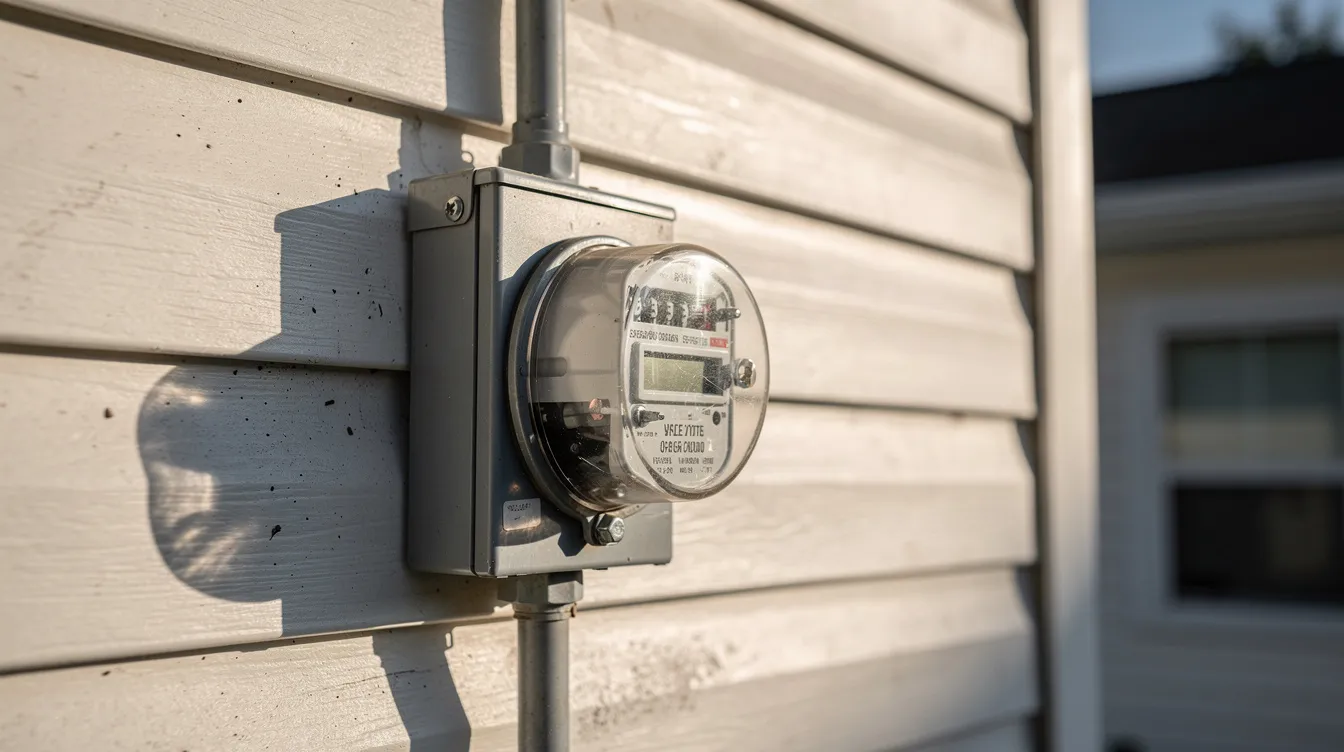
A typical bill reads top to bottom: account and meter info, then supply charges, then delivery charges broken into distribution and transmission, then riders, and finally taxes-with the total at the bottom. If you've never read yours line by line, you're not alone, but doing so is the first step to spotting savings. For utility-specific walkthroughs, see guides like Understanding Your Con Edison Bill.
Core Electricity Charges Explained
Most electric rates are built from a handful of recurring charge types, regardless of what your utility calls them. The major ones are:
Energy charge (kWh)
Demand charge (kW)
Distribution and transmission charges
Customer charge
Riders and adjustments
The energy charge and demand charge are usually the largest controllable parts of a commercial energy bill, while the customer charge is generally fixed. Choosing the right electricity rate and managing when you use power can significantly lower several of these charges over a year.
Energy Charge (kWh): Paying for How Much Energy You Use
The energy charge is based on total kilowatt-hours consumed during the billing period. Electricity usage is typically measured in kilowatt-hours (kWh), and the energy charge on a bill is calculated by multiplying total kWh consumption by the rate per kWh. Energy charges are based on total kWh consumed.
Rate structures vary:
Flat rate: Same price every hour, every day.
Tiered rate: Tiered rates increase the price per kWh as consumption exceeds thresholds-e.g., first 500 kWh at a lower rate, the next usage tier at a higher one.
Time-of-Use (TOU): Time-of-Use rates change depending on the time of day and season, charging more during afternoon peak windows.
For a typical home in June 2026, the math is straightforward: 1,000 kWh × 17.65¢/kWh ≈ $176.50 in energy charges before delivery, fees, or taxes. To lower this number, reduce overall kWh through efficiency, shift discretionary use off-peak when TOU rates apply, and shop for a lower supply rate where deregulation allows.
Demand Charge (kW): Paying for Your Peak Power Draw
Demand charges are based on the highest 15–30 minute peak of power draw during a billing cycle. They are common for commercial and industrial accounts but rare on standard residential tariffs. Demand charges are based on the highest kW peak during billing and can dominate commercial electricity bills.
Some rates include a demand ratchet that carries forward peaks-meaning a high peak in one month can set a minimum billed demand for up to 12 months, even after actual usage drops.
A quick example: a business with a 100 kW monthly peak at $15/kW pays a $1,500 demand charge-entirely separate from its kWh energy cost. Strategies to lower demand charges include staggering equipment start-up, managing HVAC loads with automation, and considering battery storage to shave peaks.
Distribution and Transmission Charges: Paying to Use the Grid
Distribution charges cover the cost to move power to your site-local poles, wires, transformers, and meters. Transmission charges transport bulk power over high-voltage lines from generation sources to local networks. Together, these delivery charges cover the costs for distributing power and maintaining infrastructure, and electricity delivery fees are necessary for grid maintenance and meter reading.
In many states, distribution and transmission together account for 25–40% of a typical residential electricity bill. You can't choose a different wires company, but reducing both total kWh and peak kW still lowers the usage-based portions of these charges. For large accounts, reviewing which delivery rate class you're on can uncover savings without reducing consumption.
Customer Charge and Other Fixed Fees
The fixed customer charge is a monthly flat fee for grid connectivity, covering billing, metering, and customer service. Customer charges are fixed monthly fees for service administration. Residential electricity charges are calculated based on energy consumption and these fixed fees combined.
Typical ranges:
Customer Type - Monthly Fixed Fee
Residential - $5–$25
Small commercial - $30–$100+
Large commercial - $100–$200+
The main way to influence fixed costs is to consolidate meters or accounts where rules allow. Understanding which line items are fixed versus variable sets realistic expectations for how much your electricity bill can actually change.
Riders, Adjustments, and Taxes
Common adjustment line items include fuel cost adjustments, system benefit charges, renewable program surcharges, and regulatory reconciliation fees. These riders often vary month to month, reflecting changing wholesale fuel prices or capacity costs in regional markets.
Taxes and fees are added by local, state, and federal governments to electricity bills. Local governments may impose franchise fees or surcharges on utility bills as well. While individual riders may look small, they can collectively add several percent to your final bill. Reducing total kWh still lowers the impact of any riders billed on a per-kWh basis, and a line-by-line audit can catch billing errors or misapplied charges.
Average Electricity Prices and Bills in 2025–2026
In 2025, the U.S. average retail electricity price was 13.63 cents per kWh, according to the Energy Information Administration. By June 2026, that figure has risen to approximately 17.65¢/kWh for residential customers, reflecting inflation, grid investments, and rising fuel prices.
State-level variation remains dramatic. In 2025, retail electricity rates ranged from roughly 8–12¢/kWh in low-cost states like North Dakota to over 35¢/kWh in Hawaii, with 2026 figures even higher at the top end. The Texas average electricity rate is 15.07 cents per kWh-compare current Texas plans here. Average commercial electricity rates run around 14¢/kWh nationally in mid-2026 but may include additional demand and capacity fees.
For a home using 1,000 kWh at 17.65¢, the energy portion alone is about $176.50. Add delivery, fixed fees, riders, and taxes, and a typical monthly bill lands in the $230–$300 range depending on location. A small business using 10,000 kWh at 14¢ plus a $1,500 demand charge could easily see a bill above $3,000 before delivery and taxes.
Why Electricity Prices Vary So Much
Electricity prices vary by locality due to fuel costs and regulations. The differences come down to many factors: fuel mix, infrastructure age, regulatory structures, climate, and whether the market is deregulated. Generation costs depend heavily on what electric utilities use to operate power plants-natural gas, coal, nuclear, hydro, wind, or solar. Transmission and distribution investments, plus profit requirements for investor-owned utilities approved by each public utility commission, also shape the underlying electricity rate.
Electricity charges are influenced by demand supply imbalances and fuel costs. Island grids and fuel-import-dependent regions tend to have the highest electricity prices, while regions with abundant hydroelectric or wind power generation often enjoy low rates. Electricity price forecasting uses statistical models for predictions, but real-world market conditions-extreme weather, fuel shortages, policy changes-regularly push prices beyond projections.
Customer Type: Residential vs. Commercial vs. Industrial
Residential and small commercial customers usually pay higher per kilowatt hour electricity rates because they use lower volumes and rely on low-voltage distribution service. Industrial customers often pay the lowest unit prices because they take electric power at higher voltages and use more electricity consistently.
Residential tariffs emphasize simplicity-flat or tiered energy charges-while commercial tariffs introduce demand, capacity, and more elaborate rate schedules. A 10,000 kWh bill at 13¢/kWh (industrial) totals $1,300; at 18¢/kWh (residential), it's $1,800-a $500 difference from the rate alone. Small businesses should periodically review which rate class they're in, because misclassification leads to higher costs.
Location and Local Grid Conditions
Electricity prices vary by locality and power source availability. Access to low-cost fuels and modern generation assets keeps the average price down in some regions, while reliance on imported fuel or older plants raises it elsewhere. Electric utilities with high hydroelectricity have lower prices, explaining why the Pacific Northwest historically enjoys cheap power.
North Dakota benefits from wind and low-cost lignite coal, keeping rates near 12¢/kWh, while Hawaii's dependence on imported petroleum pushes prices above 40¢. Congestion on aging transmission lines-especially in the Northeast-increases both wholesale and retail electric rates. Regions undertaking aggressive renewable energy build-outs may see near-term price increases even if long-term costs decline.
Time of Year and Time of Day
Electricity prices are usually highest in summer months due to air-conditioning loads driving increased demand across the grid. Demand for electricity peaks in the afternoon and early evening, and because supply electricity varies minute by minute on wholesale markets, some utilities translate this into TOU retail rates with higher prices during those windows.
In winter-peaking regions, cold snaps can also trigger temporary surcharges in energy charges. Shifting flexible loads-EV charging, water heating, dishwashing-to lower-priced hours can significantly cut the energy charge portion of your bill under time-variant tariffs. Check whether your current electricity bill discloses on-peak and off-peak kWh to see how much energy is consumed during high-cost windows.
How Much Energy Are You Using and What Does It Cost?
The fastest way to understand your electric bill is to link total kWh and peak kW to your actual routines. Think of power (kW) as the speedometer-how fast you're drawing electricity right now-and energy (kWh) as the odometer-how much you've used over time.
A step-by-step approach:
Find the "total kWh" line on your bill.
Compare it month by month-is consumption rising?
Divide your total bill by total kWh to estimate your real average price per kwh.
Break usage down by major category (lighting, HVAC, process loads) to see where most of your energy charge originates.
Use a power bill calculator to model how changes in usage or rate affect what you pay. If you're using less energy but paying more money, the rate itself may have shifted-something a bill review can catch.
Electricity Charges, Carbon Footprint, and Green Plans
Your electricity charges are not only a financial issue but also a reflection of the carbon intensity of the grid. Regions with higher shares of renewable energy or nuclear often have lower per-kWh emissions, directly affecting the carbon footprint of each kWh on your bill.
Green energy supply plans-such as 100% wind or solar REC-backed options-may add a small premium to your energy charge but can significantly reduce the emissions associated with your consumption. Tracking both kWh and associated CO₂ gives a fuller picture, especially for businesses with ESG reporting requirements. ABC Energy can help customers compare not only electricity prices but also the renewable content of different supply offers, balancing cost and sustainability goals.
Using ABC Energy to Shop and Lower Your Electricity Charges
ABC Energy is a B2C and B2B marketplace and consultancy operating in deregulated electricity and natural gas markets across states like New York, New Jersey, Connecticut, and Pennsylvania. In these markets, the utility company still delivers power and maintains the grid, but deregulated markets allow consumers to compare multiple electricity plans from competing suppliers.
ABC Energy's platform shows live offers from vetted suppliers, including fixed-rate plans, customized business pricing (URate, EZ Rate), and green energy options with transparent billing and no hidden fees. Residential and small commercial users can enter their ZIP code, estimated monthly kWh, and plan preferences to compare real-time electricity rates and lock in a plan. Commercial customers can share recent electric bills so ABC Energy can analyze existing charges, model alternate tariffs or suppliers, and propose guaranteed savings.
Fixed-Rate, Variable-Rate, and Other Plan Types
Fixed-rate plans charge a flat rate per kWh regardless of usage, locking in electricity prices for a contract term. Fixed-rate plans provide predictable electricity bills and are ideal for consumers seeking budget stability. Fixed-rate plans typically last from one to three years, and consumers can avoid price fluctuations with fixed-rate plans during that period.
A variable rate plan adjusts monthly with market conditions, offering flexibility but less predictability in the final electric bill. Other structures include bill-credit plans, indexed pricing linked to wholesale indices, and prepaid options.
Plan Type - Best For - Risk Level
Fixed-rate - Budget stability, long-term homes - Low
Variable rate - Short-term renters, active shoppers - Medium-High
Indexed - Engaged customers tracking markets - Medium
Regardless of plan type, the delivery portion and customer charge from the utility remain on the bill, so always compare total all-in cents per kWh.
How ABC Energy Helps Businesses Optimize Electric Charges
Businesses often face complex electric rate structures with demand charges, capacity charges, and multiple meters. Supply costs constitute a significant portion of a business's electricity invoice, and businesses can use smart technology to optimize electricity usage and reduce costs.
ABC Energy can review historic bills, peak demand patterns, and operating schedules to identify over-billing, misaligned tariffs, or opportunities to shift to more favorable electric rates. Tools like URate and EZ Rate generate customized offers based on actual load profiles rather than rough usage tiers, improving projected savings accuracy. The consultancy approach includes plain-language explanations of each bill line item so facility managers understand where savings originate and what financial return to expect. Explore options for large commercial accounts or review PSEG supplier comparisons for New Jersey businesses.

Practical Ways to Reduce Your Electricity Bill
You can't control everything on your electric bill, but you can meaningfully reduce usage-based charges and, in deregulated areas, your energy rate itself. Energy efficiency measures can significantly lower electricity bills for businesses and households alike. The four major levers are operational changes, equipment upgrades, behavioral habits, and supplier choice.
Track your monthly bills, compare year over year, and watch for sudden changes in your average price per kWh. Combine DIY steps with professional advice when high electric bills persist despite basic efficiency actions.
Cutting kWh: Using Less Energy Overall
High-impact residential measures include LED lighting, smart thermostats that can optimize heating and cooling efficiency in buildings, weather-stripping, insulation upgrades, and energy efficient appliances. For commercial properties, prioritize HVAC optimization, lighting retrofits, occupancy sensors, and tightened schedules for process equipment.
Reducing kWh directly lowers the energy charge and any kWh-based delivery or rider costs, producing compound savings on the final electricity bill. Electricity bills can be reduced by enrolling in community solar programs as well, and net metering arrangements may further offset consumption for properties with on-site generation.
Managing Peak Demand (kW) Where It Matters
For commercial customers with demand charges, a single brief spike can set the demand charge for an entire month. Common peak drivers include simultaneous start-up of large HVAC units, compressed air systems, or production lines at opening hours. Reducing peak demand can lower future demand charges-especially where ratchet clauses apply.
Strategies include staggered start-ups, load-shifting non-critical tasks to off-peak times, and using controls or automation to cap instantaneous kW draw. Some businesses benefit from on-site batteries or thermal storage configured as peak-shaving tools.
Choosing Better Electricity Rates and Plans
Shopping for a lower electricity supply rate in deregulated markets can yield savings of 10–30% versus default utility supply under the right conditions. When comparing, look beyond headline cents per kWh-evaluate early termination fees, minimum usage clauses, and automatic renewal conditions that may increase costs later.
ABC Energy's marketplace makes it easy to filter offers by price, contract length, renewable content, and supplier reputation. Time your shopping ahead of contract expiration or high-price seasons so you can lock in attractive utility rates instead of falling back to expensive default service.
FAQ
These questions address specific details about electricity charges, average prices, and practical next steps not fully covered above.
Why is my electricity bill higher even though my kWh usage looks the same?
Bills can rise despite flat kWh because of higher electricity rates, new riders or fuel adjustments, seasonal usage tier thresholds, or demand and capacity charges increasing in the rate schedule. Electric utilities and suppliers periodically file new rates, so the price per kWh line can change even when total consumption doesn't. Calculate your effective average price-total bill divided by total kWh-for recent months to see if the underlying rate has shifted. Contact your utility or use ABC Energy's bill review service to confirm the correct rate class and supplier plan are being applied.
What is the difference between an electricity rate and an electricity charge?
An electricity rate is the unit price-cents per kWh or dollars per kW-while an electricity charge is the actual dollar amount produced by applying that rate to measured usage. For example, a 15¢/kWh electricity rate multiplied by 800 kWh equals a $120 energy charge before taxes and fees. Multiple rates exist on a single bill (energy, demand, distribution), each generating its own charge line item. Comparing rates across suppliers is exactly what ABC Energy helps customers do to lower those resulting charges.
How do I know if I live in a deregulated electricity market and can shop for supply?
Deregulation is state- and utility-specific. Many areas in New York, New Jersey, Connecticut, Pennsylvania, and Texas allow choice of electricity supplier. Check your bill for a "supply" or "generation" section with a note about competitive suppliers, or enter your ZIP code on ABC Energy's website to see if offers are available. Even in deregulated states, some municipal or cooperative utilities remain fully regulated, so eligibility depends on your specific service address.
Can choosing a green electricity plan really lower my carbon footprint if my utility grid is still mixed?
Green supply plans typically purchase renewable energy certificates (RECs) linked to wind, solar, or other clean generation that offset the emissions from your consumption. While electrons on the grid are physically mixed, financially supporting renewables through your energy bill increases clean power generation in the overall system over time. This approach is widely used for corporate carbon accounting and recognized in major greenhouse gas reporting frameworks. ABC Energy offers green and renewable-content plans so you can compare premiums and choose the right balance between price and environmental impact.
How often should I review my electricity plan and rates?
Review at least annually or whenever a contract is close to expiring, as well as after major usage changes like installing an EV charger, adding equipment, or expanding a facility. Market electricity prices, utility tariffs, and your own consumption patterns can all shift within 12–24 months. Set calendar reminders 60–90 days before contract end dates to shop offers via ABC Energy and avoid auto-renewals at higher rates. Periodic reviews also help catch billing errors, misapplied customer charges, or outdated rate classes that may be inflating your energy bill unnecessarily.
