Red, White & Cool: Smart Energy for the Heat of July

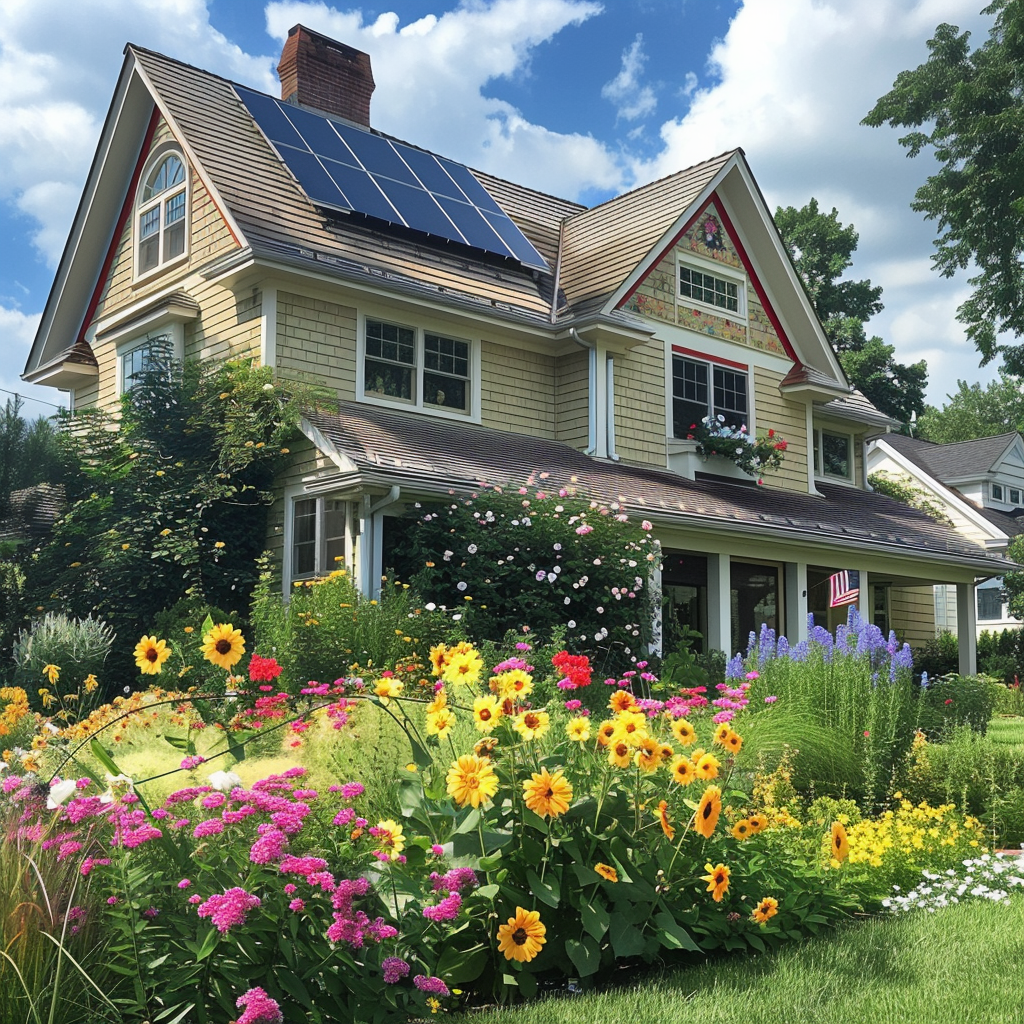
July is summer at its peak — long, hot days, busy homes, and celebrations that bring everyone together. From Fourth of July gatherings to travel plans and time away, routines shift and energy use continues in the background. Cooling systems, appliances, and everyday activity all work harder to keep up with the heat, often leading to higher bills. Tools like URate make it easier to stay ahead, helping customers compare energy options and make informed decisions during peak season. With a little awareness — whether at home or on the go — it’s possible to stay comfortable while keeping energy use and costs under control.

Peak Summer: When Energy Use Hits Its Highest Point
July is when summer energy use reaches its highest point. With sustained heat, longer days, and constant cooling needs, homes and businesses rely heavily on electricity to stay comfortable. Unlike early summer, where habits are still forming, July is about managing ongoing demand. Staying aware of how energy is used day to day can help prevent costs from rising too quickly during the hottest stretch of the year.
Continuous A/C use becomes the largest driver of energy consumption.
Heat waves can increase both usage and overall energy costs.
Daily awareness helps prevent gradual bill increases during peak season.

Business Tip/Hack: Managing Cooling Costs During Peak Hours
For businesses, July often brings the highest cooling demands of the year — especially during midday and afternoon hours. Managing when and how cooling systems are used can make a meaningful difference in both comfort and cost. Small operational adjustments can help reduce strain during peak demand without impacting day-to-day productivity.
Limit heat-generating activities during the hottest parts of the day.
Use staggered or zoned cooling instead of running all areas at full capacity.
Keep doors and entry points closed to maintain indoor temperatures and reduce energy loss.

Residential Tip/Hack:
Keep It Cool: Smarter Refrigeration in Peak Summer
In July, refrigerators and freezers work harder than almost any other appliance in the home. Between higher outdoor temperatures, frequent use during gatherings, and extra food storage, these appliances can quietly drive up energy use. With a few simple adjustments, households can keep food fresh while reducing unnecessary strain on appliances during the hottest part of the year.
Avoid overpacking — proper airflow helps maintain consistent temperatures and efficiency.
Limit how often and how long doors are opened, especially during gatherings.
Let hot food cool before placing it in the fridge to prevent added energy demand.

URate - Take Control During Peak Energy Season
July is when energy use — and bills — are at their highest. With A/C running longer, homes staying active, and travel schedules shifting, energy patterns can change quickly. That’s why visibility matters more than ever. URate makes energy shopping simple and transparent, helping customers understand their options and stay in control even during peak demand.
Peak summer months often bring the highest energy usage and costs.
Changing routines — like travel or extended time at home — can impact bills.
URate helps you compare options and make confident choices when it matters most.

Summer Celebrations with Smarter Energy Choices
July is full of outdoor fun, travel, and celebrations, making it a great time to enjoy the season while staying mindful of energy use. From Fourth of July gatherings to playful traditions like Christmas in July, small, thoughtful choices can help reduce waste and keep energy bills in check without taking away from the experience.
Picnic and dine outdoors: Take advantage of warm weather and natural light by hosting meals outside, reducing the need for indoor cooling and appliance use.
Keep the cool air in: Avoid leaving doors or windows open while the A/C is running to prevent energy waste and keep your home comfortable.
Travel and celebrate sustainably: When traveling, unplug unused devices and adjust home settings. For celebrations, consider skipping traditional fireworks and using eco-friendly alternatives like reusable decorations or biodegradable confetti.
From Recent Energy News: Balcony Solar Gains Momentum Across the U.S.
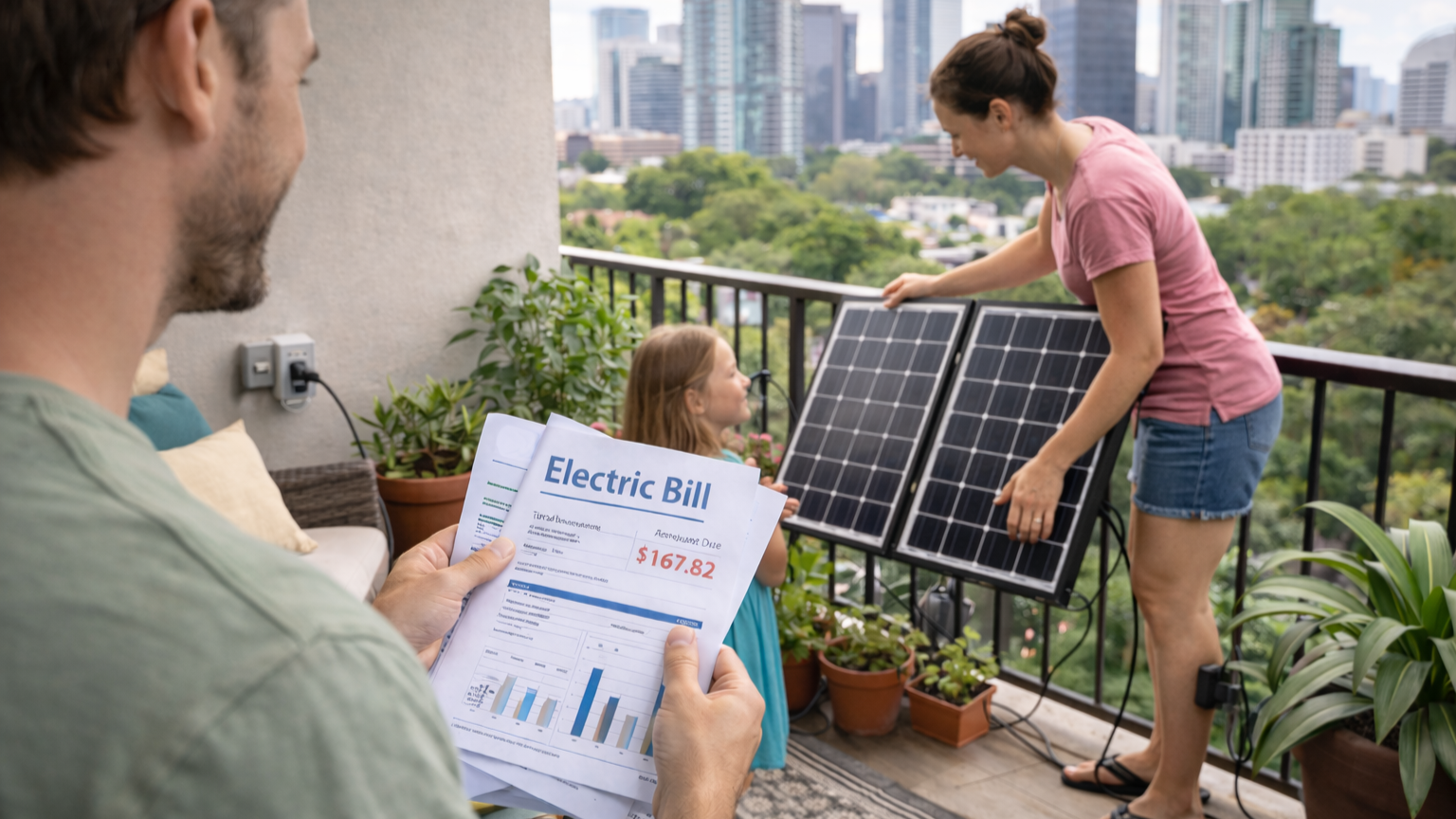
A new wave of energy innovation is making solar power more accessible than ever — even for apartment dwellers. Known as “balcony solar” or plug-in solar, these small systems can be mounted on railings or patios and plugged directly into a standard outlet, allowing households to generate some of their own electricity without complex installation.
As energy costs continue to rise, lawmakers across the country are taking notice. Dozens of states are now considering or advancing legislation to make these systems easier to use, with some already passing bills to support adoption. This growing momentum reflects a broader push to expand access to clean energy beyond traditional rooftop solar.
Balcony solar is especially promising for renters and those without access to full-scale solar installations. While these systems are smaller in scale, they can still offset a portion of everyday energy use — helping households reduce reliance on the grid and manage costs more effectively.
Plug-in solar systems allow users to generate electricity from balconies or small outdoor spaces.
Multiple states are moving to legalize and simplify adoption of this technology.
As July unfolds, staying cool and comfortable doesn’t have to come at the expense of rising energy bills. With a little awareness and a few simple adjustments, homes and businesses can navigate peak summer demand more efficiently. By making smart choices now, it’s possible to enjoy everything the season has to offer — from celebrations to everyday moments — while keeping energy use balanced and under control.