
Utility Providers in Texas: How TDUs and Electricity Companies Really Work
If you live in Texas or plan to move there, understanding how electricity reaches your home - and who sends you the bill - is not as straightforward as it seems. The state operates one of the largest deregulated energy markets in the country, but deregulation does not mean every part of the system is competitive. Some pieces are locked in by your address, while others are entirely up to you. This guide breaks down how utility providers in Texas actually work, what you can and cannot control on your electricity bill, and how to make smarter choices whether you are a homeowner, renter, or business owner.
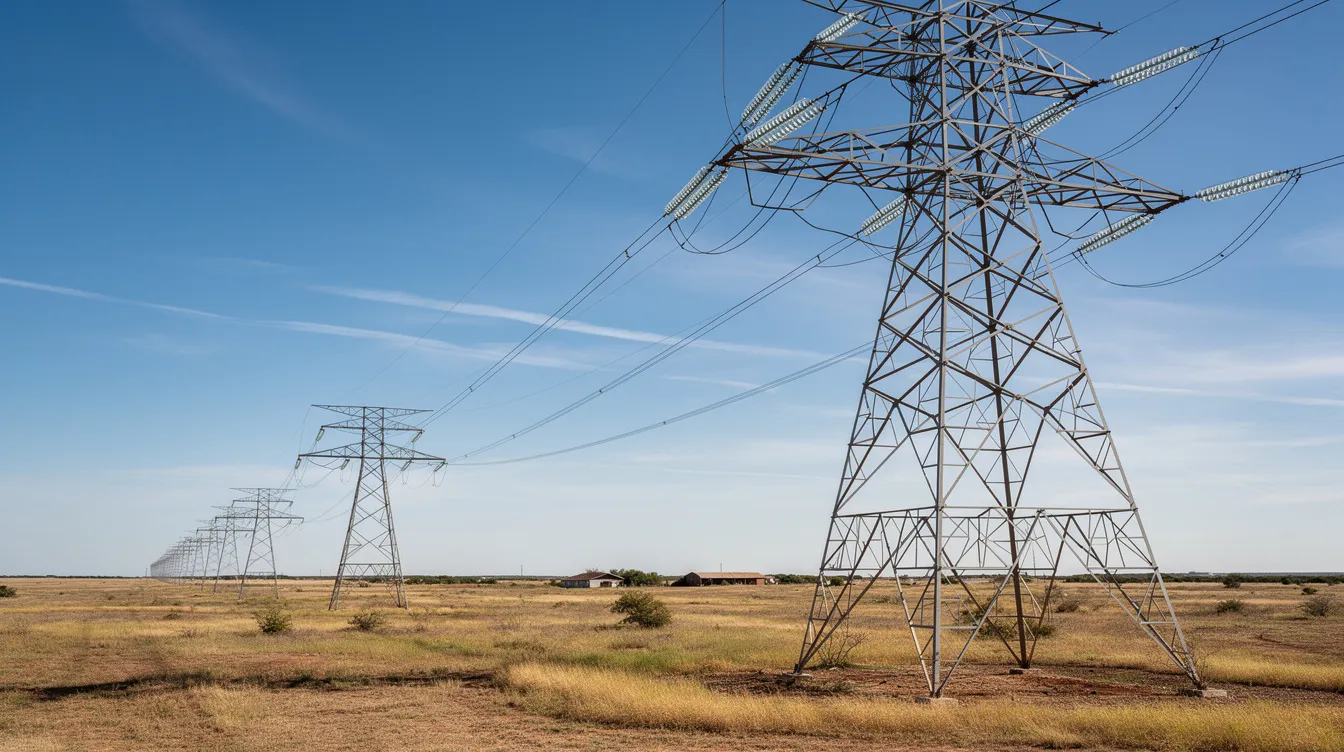
Key Takeaways
In most of Texas, you cannot choose your utility company. Your Transmission and Distribution Utility (TDU) is assigned based on your physical address, and it handles the power lines, meters, and outage restoration in your area. What you can choose, in deregulated zones, is your retail electric provider and the energy plans they offer. About 85% of Texas operates under a deregulated electricity market, and over 60 electricity providers compete to serve those areas with hundreds of plan options.
TDU delivery charges are regulated by the Public Utility Commission of Texas and can change on March 1 and September 1 each year. These delivery fees typically make up around 40% of a residential electricity bill at average usage, and no retail provider can mark them up or profit from them.
Shopping among texas electricity providers comes down to comparing plan types - fixed rate, variable rate, no deposit, green energy, and bill credit plans - and reading the electricity facts label for hidden fees. The average Texas electricity rate is 9.78 cents per kWh as of August 2026, but your actual cost depends heavily on your plan, usage patterns, and TDU territory.
At ABC Energy, we offer personalized guidance, live rate comparison, and transparent billing support in deregulated markets across the Northeast. While we do not currently operate in Texas, the same principles of energy shopping that we use every day apply directly to many Texans navigating their own electricity choices.
How Texas Utility Providers Work (Utilities vs. Electricity Providers)
When people say "utility providers in Texas," they are usually talking about two separate entities that play very different roles.
Transmission and Distribution Utilities (TDUs) are the companies that own and maintain the physical infrastructure: poles, wires, substations, and meters. Your TDU is determined by your location, and you cannot switch to a different one. Think of them as the road system - they deliver the electricity, but they do not sell it to you.
Retail electricity providers (REPs) are the electricity companies that buy wholesale power from generators and then sell retail energy plans directly to consumers. Your REP sends you your monthly bill, handles customer service, and sets the supply rate on your contract. Texas has a large number of retail electricity providers operating statewide, and in deregulated areas you can shop among dozens of them. Retail providers purchase electricity from generators in Texas and compete on price, plan structure, and features.
Electricity providers and services in Texas are highly localized by geographic area. The grid operator ERCOT manages the wholesale market and system reliability for roughly 90% of Texas load, but ERCOT is not a company you pay directly. It operates behind the scenes, balancing supply and demand so that the lights stay on.
In parts of Texas - including Austin (Austin Energy), San Antonio (CPS Energy), and some electric cooperatives - the market is not deregulated. In those areas, the local municipal utility or co-op acts as both TDU and retail supplier, offering only its own plans.
Deregulated vs. Regulated Areas: Can You Choose Your Utility Company?
Texas has a deregulated energy market allowing consumer choice, but that choice is not available everywhere. Most of North Texas (Dallas–Fort Worth), the Houston metro, the Gulf Coast, Corpus Christi, and the Rio Grande Valley fall within deregulated zones. Many interior cities, municipal territories, and cooperative service areas do not.
In deregulated areas, customers can choose retail electric providers and pick from hundreds of energy plans. You still cannot choose your TDU - whether that is Oncor, CenterPoint, AEP Texas, or Texas-New Mexico Power - but you can switch freely among REPs offering service in your TDU's territory.
Municipal electric utilities generally do not participate in retail competition. Cities like Austin and San Antonio opted out of deregulation under Senate Bill 7. If you live in one of these areas, your city-owned utility controls both delivery and supply, and you have no alternative supplier to choose from. Electric cooperatives work similarly; they primarily serve rural communities and set their own rates.
The Public Utility Commission of Texas regulates the electricity market across both regulated and deregulated regions. The PUCT approves TDU delivery tariffs, enforces consumer protection rules, and oversees transparency requirements like the electricity facts label.
Quick "Can I Choose?" checklist:
Check your current bill for a separate REP brand logo
Enter your zip code on a comparison marketplace to see if multiple providers appear
Search your address on the PowerToChoose.org site to confirm if you are in a choice area
The Major Electric Utility Companies (TDUs) in Texas
Texas has five main utility companies responsible for delivery in the state's deregulated regions:
TDU - Primary Service Area
Oncor Electric Delivery - Dallas–Fort Worth, North Texas, West Texas suburbs
CenterPoint Energy Houston Electric - Greater Houston, parts of the Gulf Coast
AEP Texas North - Abilene, San Angelo, parts of West-Central Texas
AEP Texas Central - South Texas, Laredo, Rio Grande Valley
Texas-New Mexico Power (TNMP) - Scattered territories across Texas
Transmission and Distribution Utilities manage the physical infrastructure in each of these territories. Utility companies maintain the power infrastructure in Texas - handling outage restoration, line maintenance, and meter reading - regardless of which retail electricity provider a customer has chosen.
Many rural areas outside these footprints are served by electric cooperatives or city-owned utilities that are not part of the competitive REP market. Examples include Pedernales Electric Cooperative and Bluebonnet Electric Cooperative.
When comparing texas electricity companies and plans, it matters which TDU serves your address. TDU delivery fees differ between territories, and some electricity plans are available only in certain TDU zones. Knowing your TDU helps you filter for relevant plan options and accurately estimate your total monthly bill.
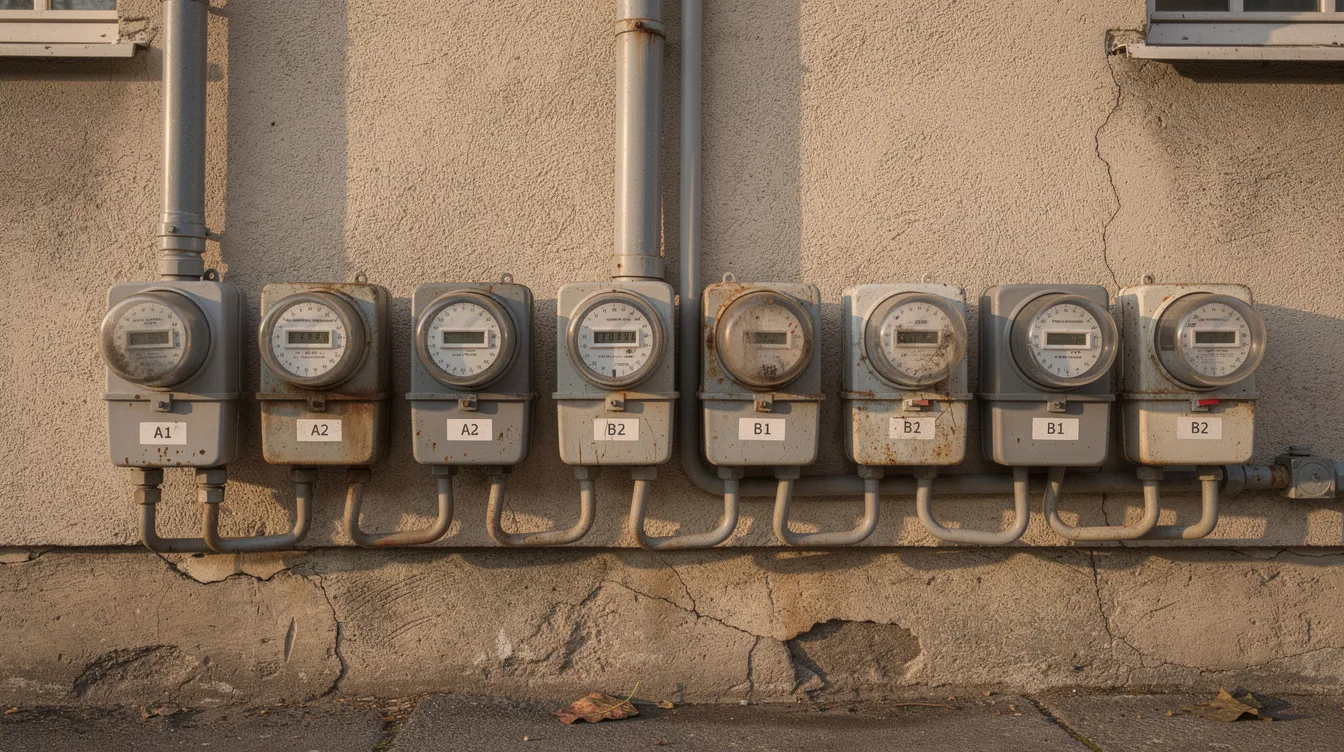
Understanding TDU Delivery Charges on Your Texas Electricity Bill
A typical Texas electricity bill is split into two main cost components: the energy charge from your REP (your contracted ¢/kWh supply rate) and the pass-through TDU delivery charges regulated by the PUCT.
TDU charges include a fixed monthly customer charge plus a per-kWh delivery rate. Together, these can represent about 30–45% of a residential bill at 1,000 kWh of monthly usage. Here are approximate residential delivery rates as of early 2026:
TDU - Fixed Monthly Charge - Variable Rate (¢/kWh)
Oncor Electric Delivery - ~$4.23 - ~5.62¢
CenterPoint Energy Houston Electric - ~$4.90 - ~5.00¢
AEP Texas - ~$3.24 - ~5.90¢
TNMP - ~$7.85 - ~7.24¢
These TDU delivery rates are updated at most twice per year - traditionally around March 1 and September 1 - and retail providers are not allowed to mark them up or profit from them. Delivery fees are pure pass-through costs.
Some plans advertise a "bundled" rate that already includes average TDU charges, while others list TDU fees as a separate line item. This distinction matters when comparing advertised prices. To understand your electricity bill properly, check the electricity facts label to see whether the posted rate includes TDU fees and how the effective price changes at 500, 1,000, and 2,000 kWh. The average Texas electricity rate is 9.78 cents per kWh, but your actual cost shifts based on delivery territory and energy usage.
Types of Texas Energy Plans Offered by Electricity Providers
Retail electricity providers compete to offer various plans because TDU delivery charges are the same for every REP in a given territory. Providers compete to offer the best electric plans in Texas by differentiating on supply rate, contract structure, and bonus features. Understanding plan types is the key to controlling your energy bill.
Fixed-rate plans lock in your energy rate per kWh for a set term - typically one to three years. Fixed-rate plans provide predictable energy bills, making budgeting easier. The tradeoff: most carry an early termination fee if you cancel your contract early before the term ends.
Variable-rate plans have no long-term contract. Your rate can change monthly based on wholesale market conditions. Variable-rate plans offer flexibility for short-term needs, but they carry the risk of sharp price spikes during high-demand periods like Texas summers.
No deposit plans and prepaid electricity plans serve customers who prefer to skip a credit check or large upfront deposit. No-deposit plans are available for low-credit shoppers, though per-kWh rates tend to be higher.
Green energy plans use renewable energy credits (RECs) or direct sourcing from Texas wind and solar farms. Green energy plans are popular for environmentally conscious consumers who want to reduce their carbon footprint without installing rooftop panels.
Bill credit plans offer a large credit when your usage falls within a specific band - for example, between 1,000 and 1,200 kWh. Bill credit plans provide discounts based on usage requirements, so matching your actual monthly usage to the plan's threshold is critical to capturing value. Texas has over 1000 electricity plans to compare, which is why filtering by type matters so much.
How to Compare Texas Electricity Providers and Energy Plans
Start by gathering data from at least 6–12 months of past electricity bills. You need to understand your actual kWh energy usage pattern by season before you compare rates. Without this baseline, headline prices are misleading.
Step-by-step comparison process:
Enter your zip code on a marketplace like ABC Energy's rate comparison tool or PowerToChoose.org
Filter by plan type (fixed, variable, green energy, no deposit plans) and contract length
Sort by effective rate at your typical usage level - not just the lowest advertised price
Read the electricity facts label carefully for each plan you consider
Check for minimum usage fees, base charges, and rate tiers at 500, 1,000, and 2,000 kWh
Electricity rates vary by location and usage in Texas, so a plan that looks cheap at 2,000 kWh might be expensive at 800 kWh. Carefully read the EFL before enrolling to ensure the plan fits your usage patterns.
Non-price factors matter too: look at customer service ratings, online account tools, mobile app quality, and whether the provider offers autopay discounts or paperless billing incentives for extra savings.
The average Texas electricity rate is 9.78 cents per kWh, but individual plans can range from under 7¢ to well above 14¢ depending on structure and term. Commercial customers - restaurants, offices, retail stores - often negotiate custom quotes based on load profile and may benefit from working with energy experts for personalized guidance. When browsing provider websites, you may occasionally encounter a security service page displaying a cloudflare ray id found at the bottom, which is a security solution that protects the site owner from online attacks. This can be performed triggered by submitting a certain word, a sql command, or malformed data. Simply wait a moment or clear your browser cache and try again.
A Closer Look at Well-Known Texas Electricity Providers
While ABC Energy does not sell power in Texas today, many Texans will recognize established electric companies and want a neutral overview. Texas has over 60 electricity providers available, so this is just a sample of the landscape.
TXU Energy is one of the longest-running REPs in the state, known for plan variety. Their lineup includes bill credit plans, free nights or weekends options, and solar buyback programs. TXU tends to target homeowners who want even more options for customizing their electricity service.
Gexa Energy provides 100% green electricity plans, often marketed toward eco-conscious customers. A gexa energy plan typically sources power through renewable energy credits from Texas-based wind and solar. Rhythm Energy is another provider in this space, offering competitively priced plans with a sustainability focus.
Reliant Energy offers a 90-day satisfaction guarantee, a feature that reduces risk for customers trying a new provider. Their plan options span fixed, variable, and green tiers.
APG&E often offers the cheapest rates in Texas. As of recent date rates, APG&E offers the cheapest electricity rate at 6.3 cents per kWh, making it a strong option for budget-conscious shoppers looking to save money.
Payless Power specializes in prepaid, no deposit plans aimed at customers who need electricity service without a credit check. Frontier Utilities is known for strong online tools and apps, appealing to tech-forward customers.
Provider lineups, rates, and features change regularly. Always double-check current offers using a zip-code-based comparison tool or the provider's own website before enrolling in a new electricity plan.
How to Avoid Hidden Fees and Surprises in Your Texas Electricity Bill
The most common complaints about texas electricity providers are not about the TDU but about unexpected charges and bill swings caused by plan fine print.
Typical hidden or easy-to-miss costs include:
Minimum usage fees if you consume under a set threshold (e.g., 1,000 kWh)
Base charges that apply regardless of usage
Early termination fees if you end your contract early
Variable-rate spikes after a promotional period ends
Tiered pricing that jumps sharply outside a narrow usage band
To protect yourself, walk through the electricity facts label for any plan you are considering. Focus on three usage points - 500, 1,000, and 2,000 kWh - to see how the effective rate changes and where bill-credit or tiered pricing kicks in. If the rate drops dramatically at exactly 1,000 kWh but climbs at 999 kWh, you are looking at a plan designed around a usage threshold that may not match your actual energy needs.
Strategies to avoid bill shock:
Choose a fixed rate plan with clear, simple pricing
Confirm whether TDU charges are bundled or listed separately
Set up usage alerts through smart meters or your provider's app
Review your plan terms 30–60 days before your contract expires
Reputable marketplaces and consultants, including ABC Energy in our main markets, flag plans with complex fee structures so customers can choose simpler, more transparent options with no hidden fees.
Green Energy and Renewable Options from Texas Utility Providers
Texas is the leading U.S. state for wind power generation and a rapidly growing solar market. This abundance of renewable energy makes green plans widely available through retail electricity providers at prices that have become increasingly competitive.
Many texas electricity plans now offer 100% green energy backed by renewable energy credits (RECs). These plans are accessible to renters, apartment dwellers, and homeowners alike - no rooftop solar required. Some REPs go further by guaranteeing that a set percentage of your power comes from specific Texas-based wind or solar projects.
Plan features worth looking for include solar buyback programs, where excess generation from home solar panels is credited at a specified rate, and green energy options that let you reduce your carbon footprint without any equipment installation.
The typical price gap between standard and renewable plans has narrowed significantly. By 2026, many green plans are competitively priced plans compared to traditional fossil-fuel-sourced options, making the environmental choice easier on the wallet.
At ABC Energy, we help customers in the Northeast find transparent green energy options. As renewable penetration grows across Texas, we anticipate similar demand for clear, honest comparison tools that let shoppers evaluate green plans alongside conventional ones at their own pace.

No Deposit Plans, Prepaid Service, and Credit Requirements
Many texas electricity companies may run a soft credit check and request a deposit for standard fixed-rate plans, especially if you have limited or poor credit history. Some providers may ask for a social security number during the enrollment process, while others offer alternatives.
No deposit plans and prepaid electricity allow customers to start service by loading a small balance - typically $40 to $75 - instead of paying a larger refundable deposit. Daily usage is deducted from the preloaded amount, giving you day-to-day control over your energy costs.
Benefits of prepaid and no-deposit plans:
Faster approval with no lengthy credit check
No long-term contract commitment
Real-time visibility into spending
Tradeoffs to watch:
Higher per-kWh rates than standard fixed-rate plans
Need to monitor balances closely to avoid disconnection
Possible reconnect or low-balance fees
Compare prepaid plan rates and delivery fees just as carefully as you would with standard plans. Check whether text or app alerts are available to track your account balance before it runs low.
Outside Texas, ABC Energy helps customers find budget-friendly plans without unnecessary upfront costs. The same comparison mindset applies: gather a few details about your usage, check the right plan options, and read the terms before committing.
Business and Commercial Electricity Service in Texas
Small and medium-sized businesses in Texas face many of the same choices as residential customers, but their energy needs are typically more complex. Higher monthly usage, demand-based charges, and multi-location operations all factor into commercial electricity service.
Commercial electricity plans may include customized pricing, index or block-and-index products tied to wholesale markets, and demand charges based on peak load rather than just total kWh. Analyzing interval data - 15-minute usage snapshots from smart meters - helps businesses like restaurants, offices, and retail stores negotiate better rates and contract terms.
Energy consultancies like ABC Energy specialize in this analysis in deregulated states across the Northeast. Similar consulting support can help Texas businesses reduce costs and manage wholesale price risk.
Business owners should also consider multi-location aggregation, efficiency upgrades (LED lighting, HVAC controls), and demand-response programs offered through some Texas utility providers to capture extra savings and lower their overall energy bill.
Using Marketplaces and Consultants to Compare Rates (and Where ABC Energy Fits)
Online marketplaces in Texas allow shoppers to enter their zip code, compare live electricity rates from vetted providers, filter by plan type, and sign up in minutes. These platforms function as an independent marketplace - free to consumers because electricity providers pay a small enrollment fee, which incentivizes competitively priced plans and clear terms.
ABC Energy currently operates as an ESCO and consultancy in deregulated markets like New York, New Jersey, Connecticut, and Pennsylvania. We help residential and commercial customers compare rates, secure fixed-rate plans, and avoid hidden fees through live rate comparison and tools like URate and EZ Rate.
The best practices we use daily - transparent billing, customized pricing, and excellent customer service - are directly transferable for Texans evaluating different utility providers and electricity plans.
Treat any marketplace, whether in Texas or elsewhere, as a decision-support tool. Use it to compare plans side by side, then verify final terms on the electricity facts label before enrolling with a new provider.
Energy Efficiency Tools, Bill Assistance, and Utility Programs
Saving on your electricity bill in Texas is not just about finding the best deals on supply rates. Using less energy and taking advantage of utility programs can deliver just as much impact.
Typical TDU and municipal utility offerings include:
Home energy audits
Rebates for high-efficiency HVAC systems and smart thermostats
Weatherization programs for income-qualified households
Some electricity providers offer online bill toolkits, usage dashboards tied to smart meter data, and energy saving tips that show how thermostat adjustments or appliance changes affect your monthly bill. These tools help you understand your monthly usage in real time rather than waiting for a surprise at the end of the billing cycle.
Low-income customers can sometimes access bill assistance through state programs, charitable organizations, or REP-specific hardship funds. Check your provider's website for eligibility details.
At ABC Energy, we emphasize that combining efficient energy usage with a well-chosen energy plan delivers the biggest total savings over time - a principle that applies just as strongly in Texas as in our core Northeast markets.

Step-by-Step Guide to Switching Texas Electricity Providers
Switching retail electricity providers in Texas is typically seamless. Your TDU stays the same, so there is no interruption of power - only the billing company changes. Consumers can switch electricity providers without penalties when moving to a new address.
Here is a simple process:
Check your current contract. Look up your end date and any early termination fee. If your contract is month-to-month, you can switch anytime.
Analyze your past usage. Pull 6–12 months of bills to see seasonal kWh patterns.
Compare plans by zip code. Use a comparison marketplace to filter by plan type, term, and effective rate at your typical usage.
Read the EFL. Confirm pricing at 500, 1,000, and 2,000 kWh. Watch for minimum usage fees and base charges.
Enroll online or by phone. Most enrollments take under 10 minutes. Note any cutoff time for same-day processing.
Confirm your start date. Aim to align your new plan with your old contract's expiration to avoid overlap or gap charges.
Watch for confirmation. Your new provider will send a confirmation email. You will receive a final bill from your old provider.
No technician visit is usually required. You keep your same meter, same power lines, and same TDU.
Be cautious about variable-rate plans that auto-renew at higher prices if you do not act before your fixed-rate contract expires. Set a calendar reminder 45 days before your term ends to start shopping for a new plan so you can browse at your own pace.
FAQ: Texas Utility Providers and Electricity Plans
Below are answers to common questions that go beyond the main sections of this guide. Use them for quick reference as you navigate your electricity choices in Texas.
Can I Choose My Utility Company (TDU) in Texas, or Only My Electricity Provider?
You cannot choose your utility company in Texas. Your TDU is assigned based on where you live - Oncor, CenterPoint, AEP Texas North, AEP Texas Central, or TNMP in deregulated areas, plus various cooperatives and city utilities elsewhere. You cannot choose your local Transmission and Distribution Utility regardless of which REP you select.
In deregulated areas, you can freely choose your retail electric provider and new electricity plan from among the best texas electricity plans available in your territory. In municipal or co-op zones, you typically have only one supplier. To find the best provider for your address, simply enter your zip code on a comparison site to see which electricity companies serve your area.
Why Does My Electricity Bill Keep Changing Even Though I Have a Fixed-Rate Plan?
A fixed-rate plan locks in the energy supply rate charged by your REP, but your total monthly bill can still vary. TDU delivery charges, taxes, and changes in your monthly kWh usage all affect the final amount. TDU fees can change twice per year with PUCT approval, and higher summer AC use in Texas - where cooling accounts for a large share of household power consumption - often leads to bigger bills even when your plan rate stays constant.
To get a clearer picture, review your bill line by line and track your kWh consumption month over month. The supply rate is fixed, but the total energy costs shift with usage and regulated charges.
Are No-Deposit or Prepaid Electricity Plans a Good Idea in Texas?
No-deposit and prepaid plans can be useful for people with low credit or short-term housing. They let you start electricity service without a large upfront deposit and without a long contract, which is helpful if you are moving to a new address and unsure how long you will stay.
The tradeoff is that these plans may carry higher per-kWh prices, and you need to monitor your balance closely to prevent disconnection. Compare effective rates and read terms carefully before enrolling. Pay attention to reconnect fees and low-balance charges that can add up.
How Can I Tell If a Texas Electricity Plan Has Hidden Fees?
Read the electricity facts label for each plan. Focus on how the average price changes at 500, 1,000, and 2,000 kWh - a sharp drop at one specific level usually signals a bill-credit structure or tiered pricing that may not benefit you unless your usage consistently falls within that range. Look for minimum usage fees, recurring base charges, and how the rate adjusts after a promotional period. If the cloudflare ray or other security page blocks your access to a provider's website, try refreshing or clearing your cache. Avoid plans where the effective rate jumps dramatically outside a narrow usage band unless your own history supports that level every month.
Does ABC Energy Work with Texas Utility Providers?
ABC Energy currently focuses on deregulated energy markets in states like New York, New Jersey, Connecticut, and Pennsylvania. We offer electric and natural gas rate comparison, fixed-rate plans, green energy options, and guaranteed savings programs for both residential and commercial customers. Natural gas distribution in Texas is managed by regulated local utilities, and water service in Texas is typically provided by local municipalities or utility districts - neither of which falls under the REP competitive market.
The same principles we use every day - comparing live offers, avoiding hidden fees, and providing personalized guidance from energy experts - apply directly when many Texans shop among their own electricity providers. Whether you are in the Northeast or in Texas, the goal is the same: find the right plan for your energy needs, read the fine print, and pay only for what you actually use.
