
nYSEG Utility Resources
New York State Electric & Gas Bill Breakdown
You Have The Power To
Choose Your Energy Supplier
- ✓You can choose your own Energy Service Company (ESCO)
- ✓NYSEG delivers your electricity & gas
- ✓Compare top ESCOs side-by-side with updated rates
About NYSEG
- ✓Founded in 1852
- ✓NYSEG is an AVANGRID company (Iberdrola Group)
- ✓Serving parts of 8 counties across ~2,600 square miles

Read full context
Throughout the end of the 19th century and the early part of the 20th century, the corporation went through mergers and acquisitions that combined about 200 utility companies under the name NYSEG.
NYSEG and RG&E became part of Iberdrola when Iberdrola acquired Energy East (2008). In 2008, NYSEG became part of Iberdrola when Iberdrola bought Energy East.
NYSEG's service area includes cities, suburbs, and rural towns across much of Upstate and Western New York, serving more than 40% of Upstate New York. Combined, NYSEG and RG&E serve more than 1.2 million electricity customers and nearly 590,000 natural gas customers across Upstate New York. NYSEG's customer base is a mixture of residential, commercial, and industrial customers. NYSEG and RG&E are in the process of replacing all electric meters with smart meters and expect to complete installations in 2025, facing challenges related to operational logistics and the integration of distributed energy resources (DER). AVANGRID's headquarters is in Orange, Connecticut, and NYSEG operates primarily in the northeastern United States.
NYSEG delivers electricity and natural gas across parts of Upstate New York (cities, suburbs, and rural communities).
New York State Energy Regulations & Incentives
Read full context
If you’re trying to reduce energy use and save money, start with the basics: air sealing, insulation, and heating system tune-ups can meaningfully cut winter usage. For larger upgrades (like heat pumps, smart thermostats, or efficient appliances), New York programs and rebates may be available depending on your location, fuel type, and eligibility.
NYSEG provides secure online options to manage your account, including starting or stopping service and moving. For outage updates, your best source is NYSEG’s official outage tools and app—don’t rely on social media posts, comments, or shares for restoration timing.
NYSEG’s reliability performance is tracked by the PSC using metrics like outage frequency (SAIFI). In PSC reliability reporting, NYSEG’s most recent SAIFI shown is 1.30 versus a target of 1.20 (excluding major storms), meaning outage frequency missed the performance target in that reporting period.
Tree contacts are consistently one of NYSEG’s largest drivers of outages. That’s why vegetation management and proactive trimming are a major part of reliability work—especially in wooded regions where wind, snow, and ice can bring limbs into power lines.
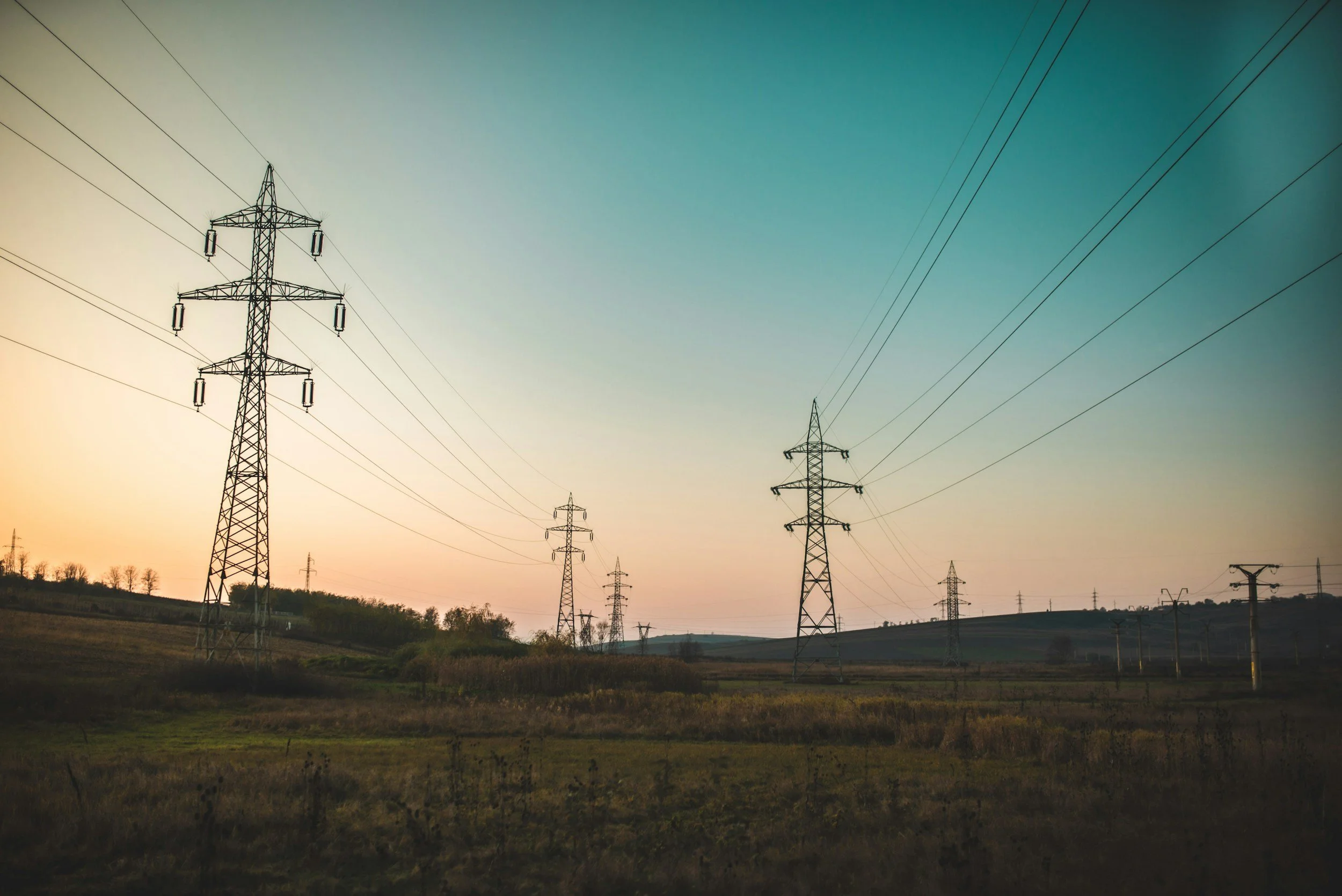
From a system scale perspective, NYSEG’s long-term planning filings describe thousands of miles of infrastructure, including about 4,549 miles of transmission lines and about 44,400 miles of distribution lines across the region.
NYSEG has also been under increased scrutiny from regulators. A comprehensive management and operations audit issued in early 2025 required improvements across multiple areas of operations, and PSC oversight continues to track customer experience and service performance.
Rates can change due to delivery and supply components. NYSEG filed for a significant delivery rate increase for 2026, and public summaries described a typical electric bill impact of roughly $33 per month (actual impact varies by usage and rate class).
If you need help paying your bill, New York’s HEAP programs may help. As of January 2, 2026, Emergency HEAP is open through April 7, 2026 (or until funding is exhausted), and it can be used alongside other affordability options depending on eligibility.
NYSEG FAQ
What is NYSEG?
How do I contact NYSEG customer service?
What are the payment options for NYSEG bills?
How do I report a power outage or check outage status?
View More Questions
Does NYSEG offer budget billing or payment assistance programs?
Does NYSEG have any emergency financial assistance programs?
How can I start, stop, or transfer NYSEG service?
What are NYSEG's rates and tariffs?
Does NYSEG offer renewable energy options or incentives?
How can I save energy and lower my NYSEG bill?
What should I do if I smell gas or suspect a gas leak?
What kind of advertising or communications does NYSEG use?
What are the best ways to lower my heating costs in winter?
- Annual tune-up/inspection: Helps improve efficiency and reduce fuel use.
- Thermostat adjustments: Many energy guidance resources cite savings from lowering the thermostat (often discussed as a few percent per degree, depending on the home).
- Air sealing + insulation: Reduces heat loss; widely cited as one of the best ROI upgrades (sometimes described as up to ~30% reduction in heating/cooling losses in leaky homes).
Does NYSEG control the price of natural gas and electricity supply?
What is the most common cause of power outages on NYSEG’s system?
How large is NYSEG’s electric transmission system?
Are NYSEG electricity rates lower than other regions?
How much can I save by adjusting my thermostat in winter?
Con-Ed Bill Breakdown
Click Bill For More Info
Today's JCP&L Rate
Loading...